International trade plays an important role in Pakistan's economy. The country produces a wide variety of goods that are supplied to international markets, helping businesses generate revenue and build relationships with buyers worldwide. From textiles and agricultural products to sports equipment, surgical instruments, and leather goods, Pakistani manufacturers serve customers across many industries. Understanding what a Pakistan Export Company exports can help buyers, business owners, and entrepreneurs identify valuable trading opportunities.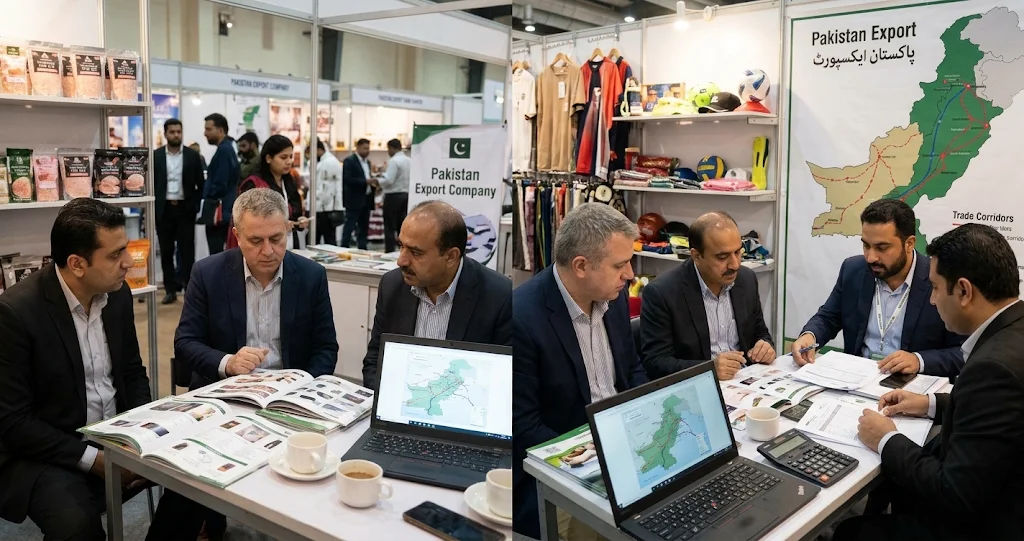
Pakistan has a diverse manufacturing and agricultural sector. Its natural resources, skilled workforce, established industries, and growing business community support the production of goods for international customers. Export companies connect local manufacturers with overseas markets by managing product sourcing, quality checks, documentation, packaging, and shipping.
This comprehensive guide explores the major products exported from Pakistan, the industries behind them, the international markets they serve, and the processes involved in exporting goods successfully.
Role of Export Companies in Pakistan
An export company is a business that sells products manufactured or sourced in one country to customers in another country. In Pakistan, export companies work with manufacturers, farmers, wholesalers, and industrial suppliers to deliver products to international buyers.
Their responsibilities often extend beyond simply selling products. They coordinate several activities to ensure that goods reach their destinations safely and meet the requirements of foreign markets.
Connecting Pakistani Manufacturers With International Buyers
Many Pakistani manufacturers produce high-quality goods but may not have the experience or resources to reach international customers directly.
Export companies help solve this problem by identifying potential buyers, negotiating commercial agreements, and arranging international shipments.
They also help overseas businesses find suitable Pakistani suppliers. This creates opportunities for both manufacturers and international customers.
Managing Export Documentation
International shipments require proper documentation. Depending on the product and destination, exporters may need commercial invoices, packing lists, certificates of origin, customs declarations, and other relevant documents.
A professional export business understands these requirements and coordinates with the appropriate authorities and shipping partners.
Maintaining Product Quality
Quality is essential in international trade. Buyers expect products to meet agreed specifications, safety standards, and packaging requirements.
Export companies may inspect products before shipment, coordinate laboratory testing where necessary, and communicate quality expectations to manufacturers.
Major Products Exported by Pakistan
Pakistan exports products from several important industries. Some are manufactured goods, while others come from agriculture, livestock, and natural resources.
The following categories represent major areas of Pakistani export activity.
1. Textiles and Clothing
Textiles are among Pakistan's most important export industries. The country has an established textile manufacturing sector that supplies raw materials, fabrics, finished clothing, and household textile products to international markets.
Common textile exports include:
-
Cotton yarn and thread.
-
Cotton fabrics.
-
Bedsheets and pillowcases.
-
Towels and bathrobes.
-
T-shirts and casual clothing.
-
Denim jeans and jackets.
-
Sportswear and uniforms.
-
Embroidered garments.
-
Home furnishing materials.
Pakistan's cotton production supports many textile businesses. Manufacturers transform cotton into yarn, fabric, and finished products for international customers.
European countries, the United States, and other international markets purchase Pakistani textile products.
A Pakistan Export Company operating in this industry may specialize in bulk fabric supplies, private-label clothing, home textiles, or customized garments.
2. Rice and Agricultural Products
Agriculture is another important contributor to Pakistan's export economy.
The country produces several agricultural products that are sold internationally. Rice is particularly significant, with Pakistani basmati rice recognized for its distinctive aroma, long grains, and cooking qualities.
Important agricultural exports include:
-
Basmati rice.
-
Non-basmati rice.
-
Mangoes.
-
Citrus fruits.
-
Dates.
-
Onions.
-
Potatoes.
-
Sesame seeds.
-
Pulses.
-
Spices.
Basmati rice is especially popular in countries where rice is a regular part of traditional cooking.
Mangoes and citrus fruits also attract international buyers. However, exporting fresh agricultural products requires careful handling, temperature management, packaging, and compliance with destination-country food safety regulations.
Agricultural exporters must pay particular attention to harvesting schedules, storage conditions, product grading, and transportation arrangements.
3. Sports Goods
Pakistan, particularly the city of Sialkot, is internationally recognized for sports goods manufacturing.
The city has developed an extensive industrial network specializing in sports equipment and related products.
Common sports goods exports include:
-
Footballs.
-
Cricket bats.
-
Cricket balls.
-
Boxing gloves.
-
Sports gloves.
-
Protective equipment.
-
Fitness accessories.
-
Training equipment.
-
Sports uniforms.
Football manufacturing is especially associated with Sialkot. Local manufacturers produce footballs for different playing conditions, training requirements, and commercial markets.
International sports brands and distributors may purchase products from Pakistani manufacturers through direct sourcing or export companies.
Businesses in this sector often provide customized manufacturing, private labeling, and bulk production services.
4. Surgical Instruments and Medical Equipment
Pakistan has an established surgical instrument manufacturing industry, particularly in Sialkot.
Manufacturers produce various stainless-steel instruments for medical, dental, and veterinary applications.
Common products include:
-
Surgical scissors.
-
Forceps.
-
Needle holders.
-
Dental instruments.
-
Medical clamps.
-
Retractors.
-
Diagnostic instruments.
-
Veterinary instruments.
These products require careful manufacturing because precision, durability, and material quality are essential.
Exporters must also understand the regulatory requirements of their destination markets. Medical devices may require product registration, technical documentation, quality management systems, and applicable certifications.
International buyers generally expect reliable suppliers who can maintain consistent manufacturing standards.
For this reason, experienced exporters work closely with manufacturers to ensure that products meet agreed technical specifications.
5. Leather Products
Pakistan's leather industry supplies different types of finished products to international markets.
Leather manufacturers transform processed hides and skins into clothing, accessories, and industrial products.
Major leather exports include:
-
Leather jackets.
-
Leather gloves.
-
Wallets.
-
Belts.
-
Handbags.
-
Shoes.
-
Safety footwear.
-
Leather garments.
-
Industrial leather accessories.
Leather gloves are particularly important in Pakistan's manufacturing sector. Companies produce fashion gloves, work gloves, protective gloves, and specialized industrial products.
Export companies may offer customized colors, sizes, materials, and branding options depending on customer requirements.
Quality control is important because international buyers expect consistent stitching, finishing, material quality, and product durability.
6. Surgical and Sportswear Clothing
Pakistan also exports specialized clothing designed for sports, healthcare, and industrial applications.
This category includes:
-
Medical uniforms.
-
Scrubs.
-
Laboratory coats.
-
Fitness clothing.
-
Compression garments.
-
Tracksuits.
-
Martial arts uniforms.
-
Workwear.
-
Protective clothing.
These products are supplied to distributors, retailers, healthcare organizations, and private-label clothing brands.
Manufacturers may produce items according to specific measurements, fabric requirements, and customer branding instructions.
The growing international demand for customized clothing creates opportunities for Pakistani businesses with reliable production facilities.
7. Food Products and Processed Foods
Pakistan exports several food products beyond rice and fresh agricultural produce.
Food exporters supply both traditional ingredients and processed products to international grocery stores, wholesalers, and food distributors.
Examples include:
-
Pickles.
-
Spices.
-
Spice mixtures.
-
Traditional sweets.
-
Processed fruit products.
-
Frozen foods.
-
Food ingredients.
-
Dates and dried fruits.
-
Pulses and beans.
Pakistani spices are used in many international kitchens, particularly in regions with South Asian communities.
Food exporters must follow food safety requirements, labeling regulations, ingredient disclosure rules, and packaging standards.
Products intended for international markets may also need relevant health certificates and other regulatory documents.
Other Important Export Industries in Pakistan
In addition to the major categories, several other industries contribute to Pakistan's international trade.
8. Surgical and Industrial Gloves
Pakistan produces different types of gloves for medical, industrial, and general-purpose applications.
Examples include:
-
Leather safety gloves.
-
Industrial work gloves.
-
Protective gloves.
-
Sports gloves.
-
Specialized medical gloves.
Different products require different materials and manufacturing processes.
Exporters must understand the technical specifications and regulatory standards relevant to each product category.
9. Footwear and Shoes
The footwear industry produces a wide range of products for international customers.
Common exports include:
-
Leather shoes.
-
Casual footwear.
-
Sports shoes.
-
Safety boots.
-
Sandals.
-
Slippers.
-
Industrial footwear.
Manufacturers may offer different designs, materials, sizes, and finishing options.
International footwear buyers often look for competitive pricing, consistent quality, and dependable production schedules.
10. Surgical Raw Materials and Metal Products
Pakistan also has businesses involved in manufacturing metal products and industrial materials.
These may include stainless-steel components, metal fittings, specialized tools, and other manufactured goods.
Export opportunities depend on manufacturing capabilities, product specifications, and international demand.
11. Furniture and Home Products
Furniture and home furnishing products represent another area of international trade.
Pakistani manufacturers produce:
-
Wooden furniture.
-
Decorative furniture.
-
Home accessories.
-
Wooden handicrafts.
-
Office furniture.
-
Interior decoration products.
Some businesses specialize in traditional craftsmanship, while others focus on modern furniture designs.
Exporters must consider product dimensions, packaging, shipping costs, and the possibility of damage during transportation.
12. Salt and Mineral Products
Pakistan has several mineral resources that support local industries and international trade.
Rock salt is one of the country's recognizable mineral products.
Common mineral-related exports include:
-
Himalayan rock salt.
-
Salt lamps.
-
Decorative salt products.
-
Industrial salt.
-
Selected mineral materials.
Salt products may be sold as food ingredients, decorative items, or industrial supplies, depending on their processing and intended use.
Which Countries Buy Products From Pakistan?
Pakistani exporters supply customers across different regions.
The main destination markets vary depending on the product category, pricing, international demand, and trade conditions.
United States
The United States is an important destination for Pakistani exports.
Products supplied to American buyers include textiles, clothing, home furnishings, leather products, sports goods, and other manufactured items.
American businesses may purchase directly from manufacturers or through international sourcing companies.
United Kingdom
The United Kingdom imports various Pakistani products, including garments, home textiles, rice, food products, and leather goods.
Demand is supported by retail businesses, wholesalers, restaurants, and consumers interested in South Asian products.
European Countries
European markets purchase Pakistani textiles, clothing, sports goods, leather products, and selected agricultural products.
However, exporters must understand the relevant European product standards, environmental requirements, labeling rules, and customs procedures.
Middle Eastern Countries
Countries in the Middle East are important trading partners for Pakistan.
Common products supplied to these markets include:
-
Rice.
-
Fruits.
-
Vegetables.
-
Textiles.
-
Food products.
-
Leather goods.
-
Sports equipment.
Geographical proximity can support trade, although shipping arrangements and regulatory requirements still need careful planning.
China and Other Asian Markets
Pakistan also trades with China and other Asian economies.
Export opportunities include agricultural commodities, textile products, mineral materials, and various manufactured goods.
Trade patterns change according to market demand, economic conditions, and commercial agreements.
How Does a Pakistan Export Company Manage International Orders?
Exporting products involves several stages. A professional business coordinates these activities to ensure that an order moves smoothly from the manufacturer to the overseas buyer.
Step 1: Finding Reliable Suppliers
The first step is identifying manufacturers who can provide the required products.
Exporters evaluate production capacity, pricing, quality, delivery schedules, and business reliability.
They may visit manufacturing facilities or request product samples before accepting a large order.
Step 2: Understanding Buyer Requirements
International buyers usually provide specific product requirements.
These may include:
-
Product dimensions.
-
Materials.
-
Colors.
-
Product quantity.
-
Packaging instructions.
-
Branding requirements.
-
Quality standards.
-
Delivery deadlines.
Clear communication helps prevent misunderstandings.
Step 3: Product Sampling and Quality Inspection
Before mass production, buyers may request samples.
Samples allow them to evaluate product quality, design, materials, and functionality.
Once the sample is approved, the manufacturer can proceed with bulk production.
Quality inspections may take place during production and before shipment.
Step 4: Preparing Export Documents
Documentation is an essential part of international trade.
Depending on the shipment and destination, documents may include:
-
Commercial invoice.
-
Packing list.
-
Certificate of origin.
-
Bill of lading or airway bill.
-
Customs declaration.
-
Relevant inspection certificates.
-
Product-specific regulatory documents.
The exact requirements depend on the product, destination, and applicable trade regulations.
Step 5: Arranging Shipping and Delivery
Export companies coordinate transportation according to the buyer's requirements.
Common shipping methods include sea freight, air freight, and land transportation.
Sea freight is commonly used for larger shipments because it can be more economical.
Air freight may be suitable for urgent, lightweight, or higher-value products.
The exporter and buyer should agree on delivery responsibilities and applicable Incoterms before shipping.
What Makes Pakistani Export Products Competitive?
Pakistan has several advantages that support its export industries.
Established Manufacturing Experience
Industries such as textiles, sports goods, leather products, and surgical instruments have developed manufacturing experience over many years.
This industrial knowledge helps businesses serve different international markets.
Skilled Workforce
Many Pakistani industries depend on workers with specialized production skills.
Textile stitching, leather processing, sports equipment manufacturing, and surgical instrument production require practical experience and technical knowledge.
Diverse Product Categories
Pakistan offers a wide range of products under one national export market.
International buyers can source agricultural products, clothing, sports equipment, leather accessories, and industrial goods from different Pakistani suppliers.
Custom Manufacturing Opportunities
Many manufacturers accept customized orders.
Customers can request particular designs, materials, sizes, colors, and packaging arrangements.
This flexibility is valuable for international brands and private-label businesses.
Competitive Production Costs
Some Pakistani manufacturers can offer competitive production costs because of local sourcing, established supply chains, and available manufacturing labor.
However, competitive pricing should always be balanced with product quality, compliance, and delivery reliability.
Challenges Faced by Export Companies in Pakistan
Despite its opportunities, the export sector faces several challenges.
Understanding these difficulties helps international buyers make better sourcing decisions.
Transportation and Logistics
International shipping costs can change because of fuel prices, freight demand, port conditions, and global supply chain disruptions.
Delays may affect delivery schedules and increase business expenses.
Export companies must plan transportation carefully and communicate possible delays to buyers.
International Quality Standards
Different countries have different requirements for imported products.
Food products, medical devices, textiles, and industrial goods may be subject to specific safety and quality regulations.
Exporters must understand these requirements before accepting orders.
Currency Fluctuations
International transactions often involve foreign currencies.
Changes in exchange rates can affect production costs, profit margins, and the final price of exported goods.
Businesses need clear payment agreements and appropriate financial planning.
Energy and Production Costs
Manufacturers may experience changes in electricity, fuel, labor, and raw material costs.
These factors can influence production schedules and international pricing.
International Competition
Pakistani exporters compete with manufacturers from countries such as China, India, Bangladesh, Vietnam, and Turkey.
To remain competitive, businesses need reliable quality, efficient production, strong customer service, and innovative products.
How to Choose a Reliable Pakistan Export Company
International buyers should evaluate potential suppliers carefully before entering into a commercial agreement.
A reliable exporter should demonstrate professional communication, transparent pricing, and a clear understanding of the products being supplied.
Check Business Registration
Ask for relevant business registration information and verify the company's legal identity through appropriate official channels.
Depending on the business, additional export-related registrations may also be necessary.
Review Product Experience
An exporter specializing in textiles may not have the same expertise as a business supplying surgical instruments.
Choose a company with relevant experience in the product category you need.
Request Samples
Product samples provide a practical way to evaluate quality before committing to a large order.
Check materials, construction, finishing, packaging, and product specifications.
Discuss Pricing Clearly
Request a detailed quotation that explains product costs, packaging, transportation, and other applicable expenses.
Clarify the payment schedule and agreed delivery terms before placing an order.
Evaluate Communication
A dependable supplier should answer questions clearly and provide realistic information about production capacity and delivery schedules.
Good communication helps build trust and reduces the possibility of commercial disputes.
The Future of Pakistan's Export Industry
Pakistan's export industry has opportunities for further growth as international businesses diversify their sourcing strategies.
Several developments may influence the sector in the coming years.
Digital Trade and Online Business
Digital platforms allow exporters to communicate with overseas customers, display product catalogs, and receive international business inquiries.
Professional websites, digital product presentations, and online communication can make Pakistani manufacturers more accessible to global buyers.
Value-Added Manufacturing
Instead of focusing only on raw materials, manufacturers can increase the value of their products through processing, finishing, branding, and customization.
For example, exporting finished garments can create additional manufacturing opportunities compared with exporting only raw cotton.
Sustainable Production
International customers increasingly pay attention to environmental responsibility.
Manufacturers can strengthen their competitiveness by improving energy efficiency, reducing waste, managing water use, and adopting responsible sourcing practices.
Improved Quality Management
Investment in modern machinery, workforce training, and internationally recognized quality systems can help manufacturers meet demanding buyer expectations.
Expanding Product Diversity
Pakistan can explore additional opportunities in processed foods, engineering products, information technology services, and other areas.
Diversifying exports can reduce dependence on a limited number of industries and strengthen the economy.
Conclusion
Pakistan exports a diverse range of products to international markets, supported by its agricultural resources, manufacturing experience, skilled workforce, and established industrial sectors. Textiles, garments, rice, sports goods, surgical instruments, leather products, footwear, food items, furniture, and mineral products are among the important categories that contribute to the country's international trade.
A Pakistan Export Company plays an important role in connecting local manufacturers with overseas customers. It helps businesses identify suitable suppliers, manage product specifications, coordinate quality inspections, prepare export documentation, and arrange international transportation. These services make it easier for international buyers to source products from Pakistan.
For buyers, choosing the right exporter requires careful research. Business registration, manufacturing experience, product samples, quality standards, transparent pricing, and reliable communication should all be considered before placing an order.
Pakistani exporters also need to respond to changing international expectations. Better technology, improved production methods, sustainable manufacturing, and stronger quality management can help businesses compete more effectively.
Ultimately, Pakistan has considerable potential in international trade because of its wide product range and established manufacturing industries. By focusing on product quality, customer satisfaction, professional business practices, and international standards, exporters can build lasting relationships with overseas buyers and contribute to the country's economic development.