Smash burgers have become increasingly popular because of their crispy edges, juicy beef patties, melted cheese, and flavorful sauces. Prepared on a hot griddle, these burgers offer a distinctive taste that appeals to people who enjoy modern fast food. However, for Muslims who follow Islamic dietary guidelines, great flavor is only one part of the experience. Knowing where the ingredients come from and how the food is prepared is equally important.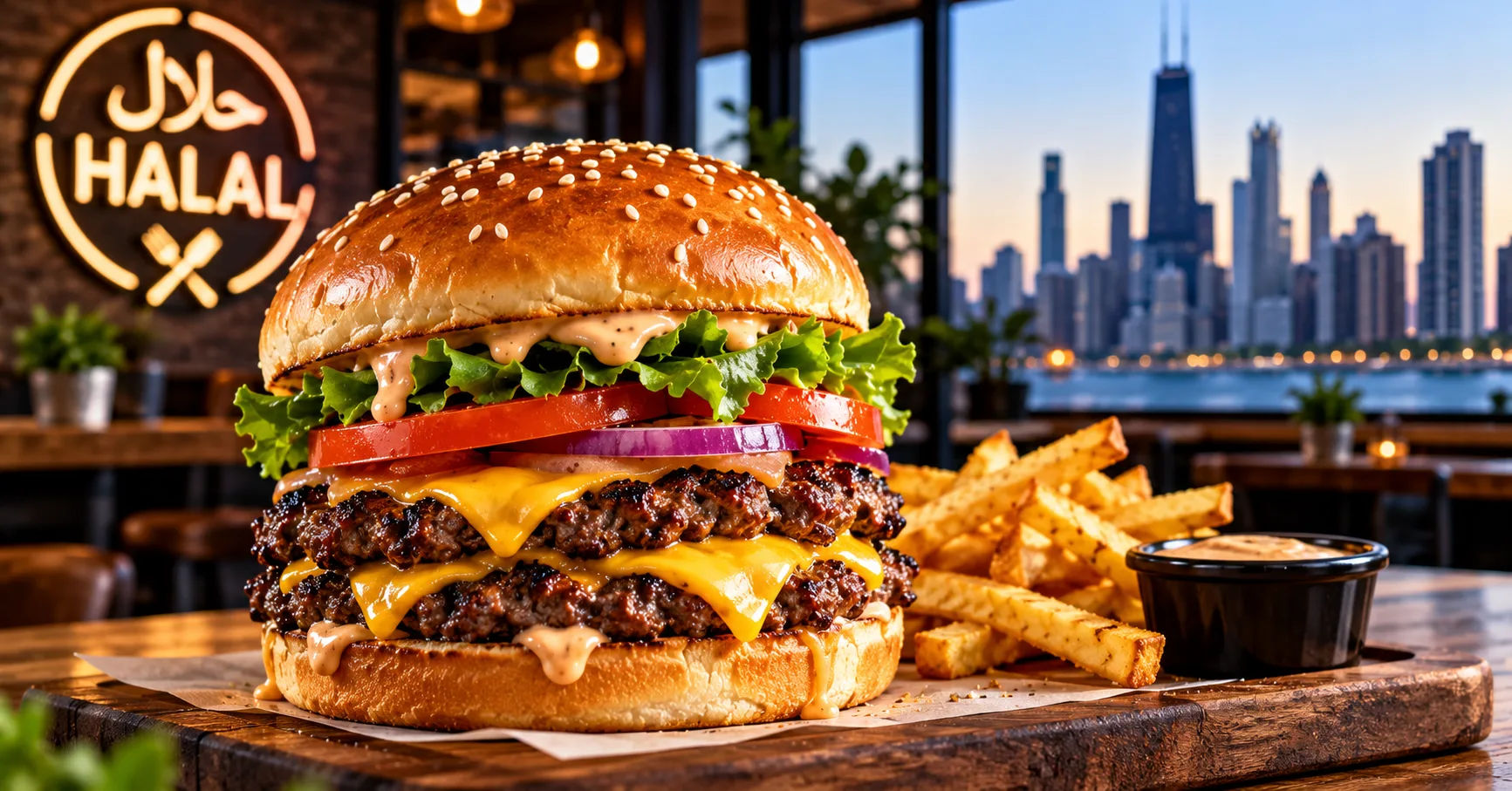
A Halal Smash Burger is intended to combine the popular smash-burger cooking technique with ingredients and preparation practices that comply with Islamic dietary requirements. But does the word halal on a menu guarantee that every part of the burger is permissible? Not necessarily. The answer depends on the meat's source, the ingredients used in the bun and sauces, the cheese, and the way the burger is cooked and handled.
Understanding these details can help customers make informed decisions when ordering from restaurants or preparing burgers at home. It also explains why two burgers that look almost identical may differ in their halal status. This guide explores what makes a smash burger fully halal, which ingredients deserve attention, how to identify trustworthy halal options, and what questions to ask before ordering.
What Does Fully Halal Mean?
Halal Smash Burger practice, halal means permissible. When applied to food, it refers to ingredients and preparation methods that comply with applicable Islamic dietary requirements.
A fully halal burger must meet these requirements throughout its preparation. Choosing halal beef is essential, but it is not the only consideration. Other ingredients must be permissible, and appropriate procedures must prevent contamination with prohibited substances.
For example, a burger made with properly sourced halal beef may still raise concerns if it contains an unsuitable sauce or is prepared on equipment contaminated with pork residues.
It is also important to distinguish between halal status and nutritional quality. A burger can be halal while still containing considerable calories, saturated fat, or sodium. Halal describes dietary permissibility, not whether a food is healthy.
Is a Halal Smash Burger Always Fully Halal?
The answer is not automatically. A burger described as halal should meet halal requirements, but customers may need additional information to confirm the claim.
The term smash burger describes a cooking method, not a religious certification. The meat is pressed onto a hot, flat cooking surface to create a thin patty with a browned crust. This technique can be used with halal or non-halal ingredients.
Whether a particular restaurant's burger is fully halal depends on several factors.
The Source of the Meat
Beef is commonly used for smash burgers, but the animal must be permissible for consumption, and the meat must meet applicable Islamic slaughter requirements.
A reliable halal supplier or recognized halal certification can provide greater assurance. Where certification is unavailable, customers may need to ask the restaurant about its sourcing and verification procedures.
The Other Ingredients
The burger's bun, cheese, seasoning, and sauces should also meet relevant halal requirements.
Most basic ingredients, such as fresh lettuce, onions, salt, and black pepper, are generally straightforward. However, processed products may contain additives or ingredients whose origins require further investigation.
Food Preparation and Handling
A restaurant should have appropriate procedures to prevent prohibited ingredients from contaminating halal food.
This may involve separate equipment, dedicated cooking surfaces, or properly controlled cleaning and handling practices, depending on the applicable halal standard.
A burger cannot be considered fully halal merely because its beef is halal if other ingredients or preparation practices do not meet the relevant requirements.
Ingredients That Determine Whether the Burger Is Halal
The ingredients are one of the most important parts of evaluating a burger's halal status. Some foods are naturally permissible, while others may require checking their source, manufacturing process, or certification.
1. Beef and Meat Products
The beef patty is usually the main ingredient. To qualify as halal, the meat must come from a permissible animal and meet the relevant Islamic slaughter requirements.
Processed beef products deserve additional attention. Pre-seasoned patties, commercially prepared burger mixtures, and frozen meat products may contain flavorings or additives that require verification.
Ask whether the restaurant uses plain ground beef or a prepared patty mix. If the meat is certified halal, check whether the certification covers the product being served.
2. Burger Buns
Burger buns are generally made with flour, water, yeast, sugar, and other common ingredients. These are usually not problematic by themselves.
However, commercial bread products can contain emulsifiers, enzymes, dough conditioners, or other processing ingredients. Some ingredients may have different sources, so checking the product label or asking the supplier can be helpful when their halal status is uncertain.
Brioche buns may also contain butter, milk, and eggs. These ingredients are generally permissible when obtained from suitable sources, but additional ingredients in a manufactured product may still need to be checked.
3. Cheese and Dairy Products
Cheese is a common topping because it melts over the hot patty and adds a creamy texture. Many cheeses are suitable for halal diets, but some varieties use rennet or enzymes whose source matters.
For this reason, customers who require halal assurance should look for suitable certification or reliable information about the cheese's production.
Milk, butter, and cream are generally permissible, provided they do not contain prohibited additives or become contaminated during processing.
4. Sauces and Condiments
Sauces can be one of the less obvious sources of uncertainty.
Ketchup, mustard, mayonnaise, barbecue sauce, and specialty burger sauces have different formulations. Most basic versions may be suitable, but individual products can contain ingredients that require closer inspection.
Pay particular attention to:
-
Flavorings and extracts whose composition is unclear.
-
Ingredients derived from animals that may not meet halal requirements.
-
Alcohol-containing ingredients, assessed according to the applicable halal standard.
-
Additives and processing aids whose source cannot be established from the label alone.
A homemade sauce can make ingredient control easier, but homemade does not automatically mean halal. The cook must still select appropriate ingredients.
5. Seasonings and Flavor Enhancers
Salt, pepper, garlic powder, onion powder, and many common spices are generally suitable.
Packaged seasoning mixes may contain flavor enhancers, extracts, or other additives. If you have concerns about a particular product, consult its ingredient information or a trusted halal-certification authority rather than making assumptions based on its name.
Can Cooking Equipment Affect Halal Status?
Yes. The way a burger is prepared can matter as much as the ingredients.
A restaurant might purchase halal beef but prepare it on a surface also used for pork or other non-halal products. This creates a potential cross-contact concern that the restaurant should address through suitable procedures.
Shared Griddles and Frying Surfaces
A shared griddle is not necessarily enough, by itself, to determine whether food is halal. The important questions include what was previously cooked on it, whether prohibited residues remain, and whether the restaurant follows appropriate cleaning and separation procedures.
Customers should not assume that high cooking temperatures automatically resolve every halal concern. Proper cleaning and handling are important.
Spatulas, Knives, and Preparation Areas
Utensils can transfer food residues from one ingredient to another. This is why restaurants need clear procedures for cleaning and handling equipment.
A restaurant may use dedicated utensils or apply an appropriate cleaning process before preparing halal food. The exact requirements can vary according to the halal standard being followed.
Cooking Oil and Fryers
If a burger is served with fries, the fryer is another point to consider. Oil used to cook prohibited food may raise halal concerns, depending on the circumstances and the applicable standard.
Ask whether the restaurant uses separate fryers or follows procedures accepted by its halal-certification authority.
How Can You Verify That a Halal Smash Burger Is Fully Halal?
Customers can take several practical steps before ordering. You do not need to investigate every detail personally, but asking the right questions can help you understand the restaurant's practices.
Look for credible halal certification
Check whether the restaurant or its meat supplier has certification from a recognized organization. Verify that the certification applies to the relevant location or products.
Ask about the ingredients
Find out whether the beef, cheese, sauces, and prepared seasonings are suitable for halal consumption. Ask for ingredient information if something is unclear.
Understand the kitchen procedures
Ask how the restaurant prevents cross-contact with pork or other prohibited ingredients, particularly if it serves both halal and non-halal food.
Request clarification when necessary
A staff member should be able to explain the restaurant's halal policy or direct you to someone who can. Clear, consistent information is more useful than an unsupported assurance.
Is a Restaurant's Verbal Assurance Enough?
That depends on your personal standards and the level of assurance you require. Some customers rely on information provided by a trusted restaurant, while others prefer independent certification.
If you need a higher level of confidence, look for a recognized certification and check what it covers. Certification systems differ, and a certificate for one supplier or product does not necessarily certify every item or procedure at a restaurant.
The goal is to make a decision based on reliable information rather than the burger's appearance or marketing alone.
Common Misconceptions About Halal Smash Burgers
There are several misunderstandings about halal food that can make it harder to judge a restaurant's claims accurately.
Misconception 1: Halal Beef Makes the Entire Burger Halal
Halal beef is essential, but the other ingredients and preparation methods also matter. A burger may contain suitable beef but use cheese, sauces, or cooking procedures that require further verification.
It is better to consider the complete meal rather than focusing on a single ingredient.
Misconception 2: A Muslim-Owned Restaurant Is Automatically Halal-Certified
A restaurant's ownership does not, by itself, establish whether it has independent halal certification. Many Muslim-owned businesses take halal preparation seriously, but customers who need specific assurance should ask about the restaurant's sourcing and procedures.
Similarly, a restaurant without a displayed certificate is not necessarily serving non-halal food. The relevant facts are its ingredients, sourcing, and preparation practices.
Misconception 3: All Cheese Is Halal
Cheese varieties differ in how they are manufactured. Some use microbial enzymes, while others may use animal-derived rennet.
Many products are suitable, but customers who require certainty should verify the ingredients and production details of the particular cheese.
Misconception 4: A Burger Is Halal Because It Contains No Pork
Avoiding pork is important, but halal requirements extend beyond that single restriction. Meat sourcing, other prohibited ingredients, and food handling must also be considered.
Misconception 5: Halal Food Is Always Healthy
A halal burger can still be high in calories, saturated fat, and sodium. Its halal status concerns religious permissibility, not its overall nutritional value.
A balanced meal can include a smaller burger, fresh vegetables, and suitable side dishes.
How to Make a Fully Halal Smash Burger at Home
Preparing a burger at home gives you greater control over the ingredients and cooking process. However, you still need to verify the products you use.
Start with ground beef from a reliable halal source. Select buns, cheese, seasonings, and sauces that meet your requirements. If an ingredient's origin is unclear, choose a verified alternative or obtain reliable information before using it.
Keep the beef refrigerated until cooking, and prepare the vegetables using clean equipment. If your kitchen is also used to prepare non-halal food, clean and separate utensils and cooking surfaces appropriately.
Next, divide the beef into loose balls and heat a heavy skillet or griddle. Press each portion onto the hot surface, season it, and allow a browned crust to develop. Flip the patty, add the cheese, and cook the ground beef to an internal temperature of 71°C (160°F).
Toast the buns, add your chosen toppings, and assemble the burger with a suitable sauce.
This approach allows you to control both the recipe and the preparation process. Nevertheless, using trusted ingredients remains essential; making a burger at home does not automatically guarantee that every component is halal.
Questions to Ask Before Ordering
If you are unsure about a restaurant's halal practices, keep your questions simple and specific.
-
Is the beef sourced from a halal supplier?
-
Does the restaurant have current halal certification?
-
Are the cheese and burger sauces suitable for halal consumption?
-
How are shared cooking surfaces and utensils cleaned and managed?
-
Are the fries cooked separately from non-halal products?
You may not need to ask every question at every restaurant. Focus on any areas where information is missing or where you require additional assurance.
A restaurant that provides clear, consistent answers can help you make a more informed choice. If important details remain uncertain, you can look for a certified alternative that better matches your requirements.
Conclusion
A Halal Smash Burger can be fully halal, but the name alone does not guarantee that every ingredient and preparation method meets Islamic dietary requirements. The smash technique simply describes how the meat is pressed onto a hot cooking surface. Halal status depends on the meat's source, the other ingredients, and the way the food is handled.
The first step is to verify the beef. It must come from a permissible source and meet the relevant Islamic slaughter requirements. The next step is to consider the bun, cheese, sauces, seasonings, and other additions, especially when they contain processed ingredients whose origins may be unclear.
Kitchen practices also deserve attention. Restaurants should have appropriate procedures to prevent contamination with prohibited substances and to manage shared cooking surfaces, utensils, and fryers. Credible halal certification can provide additional assurance, although customers should check what the certification actually covers.
If you prefer to prepare burgers at home, choosing verified ingredients and maintaining clean, appropriate food-handling procedures gives you greater control. You can still enjoy crispy beef patties, melted cheese, toasted buns, and flavorful sauces without making the recipe complicated.
Ultimately, determining whether a burger is fully halal requires looking beyond its name or appearance. Check the ingredients, understand the preparation process, and seek reliable information when something is uncertain. By taking these steps, you can make a more confident and informed decision about whether a particular burger meets your halal requirements.