Aesthetic treatments have become increasingly popular as people look for professional ways to improve their skin, maintain a youthful appearance, and address common concerns such as acne scars, pigmentation, wrinkles, and uneven skin tone. As demand grows, clinics are exploring different products and treatments to provide better services to their patients. However, choosing suitable products involves more than following beauty trends. Clinics must consider product quality, patient safety, professional qualifications, and applicable regulations.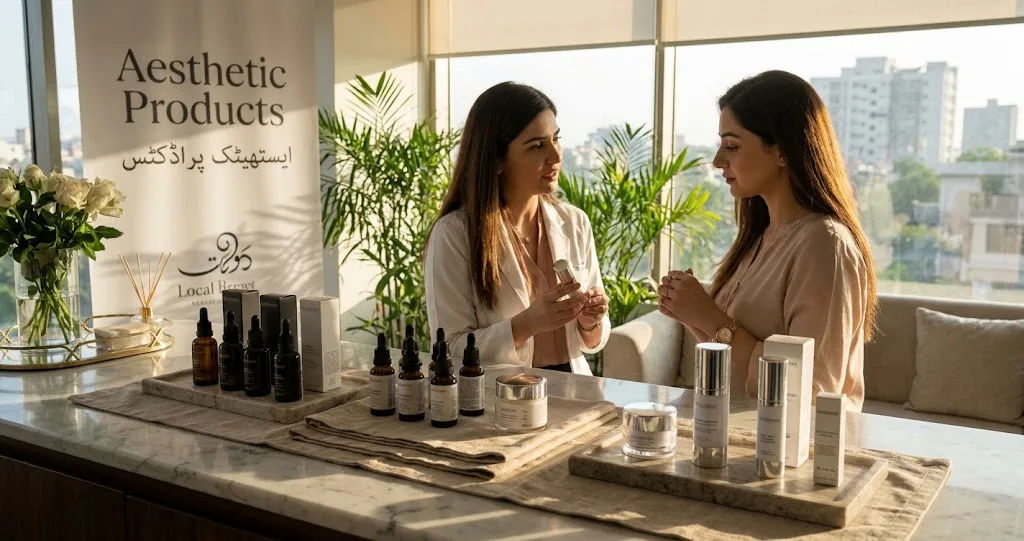
In this growing industry, aesthetic products pakistan is an important topic for clinic owners, dermatologists, aesthetic practitioners, and healthcare professionals who want to understand how these products can be used responsibly. From skincare formulations and chemical peels to professional treatment supplies, every product must be evaluated according to its intended purpose, ingredients, safety profile, and suitability for clinical use.
The short answer is yes. Clinics in Pakistan can use appropriate aesthetic products, provided they meet the relevant legal requirements and are used by suitably qualified professionals. However, not every cosmetic product is appropriate for a clinical setting, and products intended for medical procedures may be subject to stricter requirements than ordinary skincare items.
Understanding these differences helps clinics make informed purchasing decisions, protect their patients, and build a trustworthy reputation.
Aesthetic Products in Pakistan
Aesthetic products are substances, formulations, and professional supplies used to improve the appearance or condition of the skin and other visible features. Depending on their purpose, they may be used for daily skincare, cosmetic treatments, or medical aesthetic procedures.
Clinics often use a combination of products to address different patient concerns. Some are applied directly to the skin, while others are intended for use alongside professional equipment or specialised procedures.
What Are Aesthetic Products?
Aesthetic products include a wide range of items, such as:
-
Facial cleansers and professional moisturisers.
-
Serums containing ingredients such as niacinamide, vitamin C, or hyaluronic acid.
-
Chemical exfoliants and professional chemical peels.
-
Sunscreens and products designed to support skin protection.
-
Post-treatment skincare formulations.
-
Products used in conjunction with selected aesthetic procedures.
-
Medical aesthetic products, including certain injectable preparations, where legally authorised and used by appropriately qualified professionals.
These categories are not interchangeable. A moisturiser sold for home use does not automatically become suitable for every professional treatment simply because a clinic purchases it.
Likewise, products used in invasive procedures require more careful assessment than ordinary cosmetic skincare.
Why Are Clinics Interested in Aesthetic Products?
aesthetic products pakistan clinics increasingly aim to provide comprehensive care rather than offering only one treatment. A patient receiving care for acne, for example, may benefit from an appropriate skincare routine alongside professional treatment.
Similarly, a patient concerned about pigmentation may need sun protection, carefully selected topical products, and an assessment by a qualified practitioner.
Using suitable products allows clinics to develop more personalised treatment plans. It can also help practitioners explain how patients should care for their skin before and after selected procedures.
However, products should be chosen according to clinical needs rather than marketing claims or popularity on social media.
Are Aesthetic Products Legal for Clinics to Use in Pakistan?
The legality of using aesthetic products depends on the product category, its intended use, its regulatory status, and the qualifications of the person administering it.
Pakistan has regulatory frameworks governing medicines, medical devices, and certain therapeutic products. The precise requirements vary depending on the type of product involved.
For example, an ordinary cosmetic cleanser may be treated differently from a prescription medicine, an injectable preparation, or a medical device used during an aesthetic procedure.
Understanding the Role of DRAP
The Drug Regulatory Authority of Pakistan, commonly known as DRAP, plays an important role in regulating medicines and relevant medical products under applicable Pakistani laws.
Depending on the product and its classification, requirements may include registration or enlistment, authorisation, manufacturing standards, import permissions, labelling requirements, and controls on distribution.
Clinics should not assume that every product requires the same approval or that a product is automatically authorised simply because a supplier offers it for sale.
Before purchasing professional products, clinic owners should establish which regulatory requirements apply to the specific item.
For products classified as medicines or medical devices, checking the relevant DRAP requirements is particularly important.
Can Clinics Import Aesthetic Products?
Some clinics and distributors may wish to source products from international manufacturers. Imported products can provide access to different formulations and technologies, but importing them may involve additional legal requirements.
Depending on the product category, the importer may need relevant registrations, licences, permits, or other documentation. Customs clearance alone should not be treated as proof that a product is legally authorised for every intended clinical use.
Clinics should also confirm that the product is genuine, correctly labelled, and suitable for the Pakistani market.
Before placing an international order, it is sensible to obtain written confirmation of the product's regulatory status and the supplier's authority to distribute it.
Are All Cosmetic Products Suitable for Clinical Use?
No. A product being sold legally for general cosmetic use does not mean it is suitable for every clinical application.
For example, a cosmetic serum might be appropriate for external application but unsuitable for use with a device or procedure that requires a specifically formulated product.
Similarly, products intended for injection must not be substituted with topical skincare products, even when their ingredients have similar names.
Clinics should follow the manufacturer's instructions and ensure that the product's intended use matches the planned treatment.
Types of Aesthetic Products Clinics Can Use
Clinics should understand the different categories of aesthetic products before adding them to their treatment services. Each category has its own benefits, limitations, and safety considerations.
1. Professional Skincare Products
Professional skincare products are commonly used in dermatology and aesthetic clinics. They may include cleansers, moisturisers, serums, exfoliating formulations, and sunscreens.
These products can support treatment plans for dryness, acne-prone skin, uneven texture, and certain forms of pigmentation.
For example, a practitioner might recommend a gentle cleanser and moisturiser to a patient experiencing irritation after a procedure. Another patient might benefit from a suitable sunscreen to reduce further sun-related skin damage.
When selecting aesthetic products pakistan suppliers offer, clinics should examine the ingredients, product claims, manufacturing information, and suitability for the patient's skin condition.
Professional skincare products should also be selected according to the clinic's treatment protocols rather than solely on the basis of attractive packaging.
2. Chemical Peels and Exfoliating Products
Chemical peels are used to address selected skin concerns, including certain types of acne, uneven skin tone, and superficial signs of sun damage.
Depending on their formulation and strength, these products can range from relatively mild exfoliating treatments to stronger professional preparations.
Their suitability depends on the patient's skin condition, medical history, skin sensitivity, and the practitioner's training.
Clinics must follow the manufacturer's instructions and applicable professional standards. Stronger peels can cause burns, prolonged irritation, scarring, or changes in pigmentation when used incorrectly.
Practitioners should assess patients carefully before recommending a peel and provide clear aftercare instructions.
3. Products Used in Facial Treatments
Many clinics provide professional facial treatments involving cleansing, exfoliation, hydration, and moisturising.
Products used during these treatments may include facial masks, hydrating serums, gentle exfoliants, and specialised moisturisers.
These formulations can help support the skin's appearance and comfort when used appropriately.
However, clinics should avoid assuming that a product marketed for professional use is automatically safe for every patient.
Ingredients should be reviewed for possible irritants and allergens, and products should be selected according to the intended treatment.
4. Products for Post-Treatment Care
After certain aesthetic procedures, patients may experience temporary redness, dryness, sensitivity, or swelling.
Appropriate aftercare products can help support the skin barrier and reduce unnecessary irritation.
Depending on the procedure, a practitioner may recommend gentle cleansing, fragrance-free moisturising products, and suitable sun protection.
The exact routine should depend on the treatment performed. Products that are appropriate after a mild facial may not be suitable immediately after a deeper peel or a procedure that disrupts the skin barrier.
Clinics offering aesthetic products pakistan patients can use at home should explain how to apply each product, how frequently to use it, and which ingredients to avoid during recovery.
Patients should also know when symptoms require medical assessment rather than additional skincare products.
5. Medical Aesthetic Products
Some aesthetic services involve prescription medicines, injectable products, or medical devices.
These products require more extensive consideration because their use can involve significant medical risks.
For example, injectable treatments may cause infection, allergic reactions, tissue damage, or other serious complications. Certain injectable procedures also require specific professional qualifications, appropriate facilities, and the ability to manage emergencies.
Clinics must verify the product's regulatory status, approved or authorised indications, storage requirements, and restrictions on who may administer it.
A product intended for professional medical use should never be treated like an ordinary cosmetic serum.
How Can Clinics Choose Reliable Aesthetic Products?
Selecting reliable products is one of the most important responsibilities of a clinic owner. Product quality can affect patient safety, treatment consistency, and the clinic's long-term reputation.
A systematic purchasing process can help reduce the risk of counterfeit, unsuitable, or poorly stored products.
Check the Manufacturer's Information
Clinics should investigate the manufacturer before purchasing a product.
Important details include the manufacturer's identity, production information, product ingredients, intended use, and quality-control procedures.
Where relevant, clinics should request technical documentation and evidence of applicable regulatory authorisation.
If a supplier cannot identify the manufacturer or provide basic product information, the clinic should investigate further before proceeding.
Verify the Supplier
A reliable supplier should be able to explain where the products come from and provide appropriate invoices and supporting documentation.
For regulated products, clinics should verify that the supplier and distribution arrangements meet applicable requirements.
Purchasing from an unfamiliar online seller simply because the price is low can expose clinics to counterfeit goods or products with uncertain storage histories.
When researching aesthetic products pakistan distributors, clinic owners should compare documentation, authenticity checks, customer support, and delivery procedures rather than focusing on price alone.
Check Expiry Dates and Packaging
Expiry dates and packaging integrity are important safety considerations.
Clinics should inspect products when they arrive and reject items with damaged packaging, broken seals, missing labels, or signs of tampering.
They should also check batch numbers and storage instructions where applicable.
Products that require refrigeration or controlled temperatures must be transported and stored according to the manufacturer's requirements.
Improper storage can compromise product quality, even when the product has not reached its printed expiry date.
Review Ingredients and Intended Use
The ingredient list can help practitioners identify potential irritants, allergens, or ingredients that may not suit a patient's condition.
However, ingredient names alone do not establish that a product is safe or effective. Concentration, formulation, application method, and the patient's medical history also matter.
Clinics should ensure that products are used only for their intended purposes and in accordance with applicable instructions.
A product should not be used for injection, microneedling, or another procedure unless it is specifically suitable and authorised for that use.
What Safety Measures Should Clinics Follow?
Patient safety must remain the priority whenever aesthetic products are used.
Even products designed for external application can cause adverse reactions, especially when used incorrectly or on sensitive skin.
Conduct a Patient Assessment
Before recommending a treatment, practitioners should review the patient's concerns, medical history, allergies, current skincare routine, and relevant medications.
They should also consider previous reactions to cosmetic products and any skin conditions that could affect treatment suitability.
For example, someone with an impaired skin barrier may need a gentler approach than someone whose skin tolerates exfoliating ingredients well.
A proper assessment helps practitioners select suitable products and identify situations that require referral to a dermatologist or another qualified healthcare professional.
Follow Hygiene and Infection-Control Practices
Clinics should maintain appropriate hygiene throughout product handling and treatment.
Reusable equipment must be processed according to relevant infection-control requirements. Single-use products and instruments should be discarded appropriately.
Practitioners should avoid contaminating product containers by touching their contents with unclean hands or used instruments.
Where a product is supplied in a single-use container, it should not be reused in ways that conflict with the manufacturer's instructions.
Good hygiene practices help reduce the risk of infections and cross-contamination between patients.
Explain Potential Side Effects
Patients should understand the expected benefits and possible risks of a treatment before agreeing to it.
Depending on the product, potential side effects may include redness, dryness, irritation, allergic reactions, or increased sensitivity to sunlight.
More invasive procedures may carry additional risks.
Practitioners should explain realistic outcomes, aftercare requirements, and the possibility that results may vary between individuals.
Clinics selling aesthetic products pakistan customers can use independently should also explain when professional advice is necessary and discourage inappropriate combinations of strong active ingredients.
Maintain Patient Records
Accurate records help clinics track treatments and respond appropriately if an adverse reaction occurs.
Records may include the product name, manufacturer, batch number where relevant, treatment date, instructions provided, and any reported reaction.
Clinics should protect patient information and restrict access to authorised personnel.
Maintaining appropriate records can also help identify recurring problems involving a particular product or batch.
Which Professionals Can Use Aesthetic Products?
The answer depends on the treatment, the product, and the professional's qualifications.
Not every aesthetic procedure requires the same level of training. Applying a basic moisturiser during a facial is different from performing an invasive procedure or administering an injectable medicine.
Dermatologists and Qualified Medical Practitioners
Dermatologists and other appropriately qualified medical practitioners may use products and perform treatments that fall within their professional competence and applicable legal permissions.
Their medical training can help them assess complex skin conditions, identify contraindications, and manage complications.
However, having a medical qualification does not automatically authorise every procedure. Practitioners must still comply with applicable rules and product-specific requirements.
Aesthetic Therapists and Other Practitioners
Aesthetic therapists and other trained professionals may provide certain non-invasive treatments where permitted by applicable rules and their professional scope.
They should receive appropriate training in product handling, hygiene, skin assessment, and recognising adverse reactions.
They should not perform procedures that require qualifications, clinical oversight, or authorisation they do not possess.
When a patient has a medical skin condition or needs an invasive treatment, referral to an appropriately qualified healthcare professional may be necessary.
Why Training Matters
Training helps practitioners understand how products work, which patients may not be suitable for treatment, and how to respond when something goes wrong.
Clinics should ensure that staff receive training appropriate to the products and procedures they handle.
This is especially important when introducing new treatments or using products with specific preparation, storage, or administration requirements.
How Can Clinics Build a Successful Aesthetic Product Service?
Clinics that want to introduce aesthetic products should develop a clear plan before purchasing stock or advertising treatments.
A structured approach can help balance patient needs, operational costs, and safety requirements.
Identify Patient Needs
The first step is to understand which concerns patients commonly bring to the clinic.
These might include acne, dryness, uneven skin tone, sensitivity, or signs of ageing.
The clinic can then select appropriate products based on evidence, patient suitability, and available professional expertise.
A smaller selection of well-understood products may be more useful than a large inventory of items that staff are not trained to use.
Create Clear Treatment Protocols
Written protocols should explain how each product is selected, handled, applied, and documented.
They should also cover contraindications, aftercare, and the process for managing adverse reactions.
Protocols should be reviewed when product instructions or applicable requirements change.
For clinics introducing aesthetic products pakistan suppliers recommend for professional procedures, these steps help ensure that purchasing decisions are matched by suitable clinical processes.
Provide Honest Information to Patients
Marketing should accurately describe what a product can and cannot achieve.
Clinics should avoid promising guaranteed results, permanent improvements, or medical benefits that are not adequately supported.
Patients should understand that results vary according to skin type, the condition being treated, product formulation, and adherence to aftercare instructions.
Transparent communication builds trust and helps patients make informed decisions.
Manage Costs Without Compromising Quality
Clinics need to consider the financial side of product selection, including purchasing costs, storage, staff training, wastage, and aftercare supplies.
However, the cheapest product is not necessarily the most economical option.
Poor-quality products, inconsistent results, and adverse reactions can create additional expenses and damage a clinic's reputation.
Comparing suppliers on quality, documentation, authenticity, and reliability can help clinics make better long-term decisions.
Common Mistakes Clinics Should Avoid
Several mistakes can undermine an otherwise well-managed aesthetic service.
Choosing products based only on price: Low prices may be attractive, but clinics must also assess authenticity, quality, and regulatory compliance.
Ignoring product classifications: Cosmetics, medicines, and medical devices can have different legal requirements. Clinics should verify the applicable category rather than treating every product alike.
Using products for unapproved purposes: A product intended for topical application should not be used for an invasive procedure unless its suitability and authorisation for that use have been established.
Overlooking storage instructions: Incorrect temperatures, exposure to light, and damaged packaging can affect product quality.
Making unrealistic claims: Clinics should communicate evidence-based benefits and explain limitations clearly.
Failing to document treatments: Inadequate records can make it difficult to investigate adverse reactions or identify problematic batches.
Allowing unqualified staff to perform restricted procedures: Training and professional permissions must match the treatment being offered.
Avoiding these mistakes can help clinics establish safer and more reliable aesthetic services.
Future Opportunities for Aesthetic Products in Pakistan
Pakistan's aesthetic services sector offers opportunities for clinics that focus on patient education, responsible product selection, and professional care.
As consumer awareness grows, patients may increasingly look for clinics that can explain the ingredients, intended uses, and limitations of the products they recommend.
Clinics can respond by improving staff training, strengthening supplier relationships, and maintaining transparent treatment protocols.
There may also be opportunities to expand skincare consultations, provide appropriate post-treatment care, and develop personalised routines for different skin concerns.
Nevertheless, business growth should not come at the expense of patient safety or regulatory compliance.
Clinics should monitor relevant regulatory updates and verify the status of new products before introducing them into their services.
For anyone researching aesthetic products pakistan, the most important principle is to combine product quality with professional knowledge and responsible clinical practice.
Conclusion
Clinics in Pakistan can use appropriate aesthetic products, but they must consider the legal requirements, product classification, professional qualifications, and safety measures that apply to each product and procedure.
Ordinary skincare products, professional chemical peels, medical devices, and injectable preparations do not all follow the same rules. Understanding these differences helps clinic owners select products that match their services and patients' needs.
Reliable sourcing is equally important. Clinics should verify manufacturers, check product documentation, inspect packaging, monitor expiry dates, and follow storage instructions. They should also maintain appropriate hygiene practices, assess patients before treatment, and provide clear aftercare advice.
Professional training and honest communication are essential parts of a successful aesthetic service. Practitioners should work within their qualifications, explain realistic outcomes, and refer patients when a concern requires specialised medical care.
Before purchasing any product, clinics should verify the applicable requirements with the relevant Pakistani regulatory authorities, including DRAP where appropriate. They should not assume that a product is authorised simply because it is available from a local distributor or an international website.
Ultimately, aesthetic products pakistan clinics choose should be selected for their suitability, quality, safety, and intended use rather than popularity alone. By combining responsible purchasing with sound clinical practices, clinics can protect patients, strengthen professional trust, and develop sustainable aesthetic services.
A careful approach benefits everyone involved: patients receive more appropriate care, practitioners make better-informed decisions, and clinics establish a stronger foundation for long-term growth.