Truck art is one of the most colourful and recognisable forms of traditional vehicle decoration in South Asia. It transforms ordinary trucks into moving works of art through bright colours, detailed paintings, decorative patterns, poetry, and cultural symbols. Over the years, truck art pakistan has become an important part of the country's cultural identity, attracting attention from artists, tourists, photographers, and people interested in traditional craftsmanship. 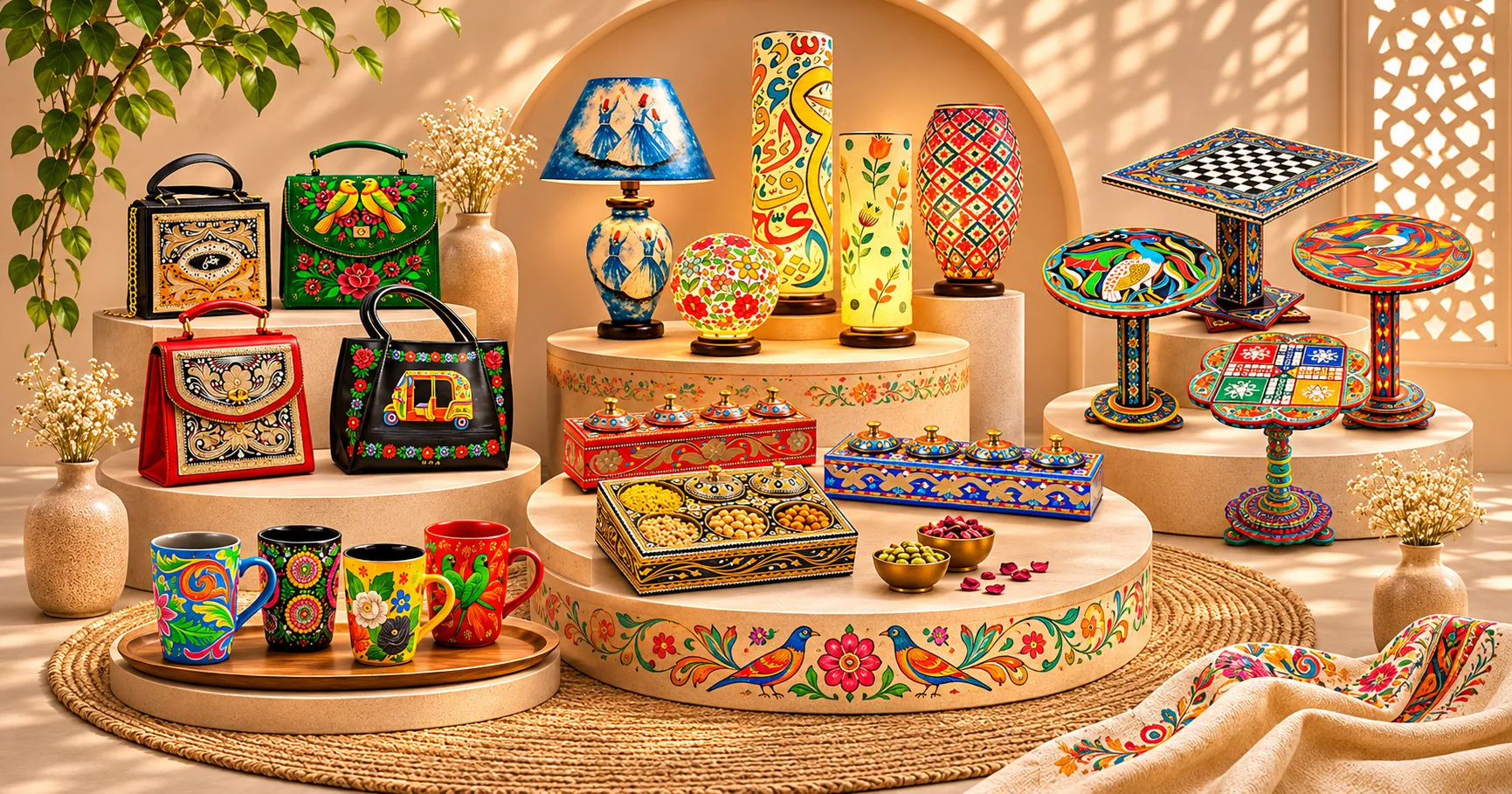 The history of this artistic tradition is closely connected to Pakistan's transportation industry, regional cultures, and the creativity of local craftsmen. What began as simple decoration gradually developed into a detailed art form that reflects people's beliefs, values, personalities, and regional identities. Pakistani trucks are now famous for their colourful designs, painted landscapes, floral patterns, portraits, and decorative accessories.
Understanding how this tradition began requires looking at the history of decorated vehicles, the influence of regional crafts, and the contribution of generations of hardworking artisans. It also helps explain why truck decoration became much more than a way to make vehicles attractive.
The Historical Beginning of Truck Art in Pakistan
Early Influences Before Pakistan's Independence
The roots of decorated transport vehicles in the region go back to the period before Pakistan became an independent country in 1947. During the British colonial period, different forms of transportation, including horse carts, buses, and commercial vehicles, were decorated with paintings and colourful designs.
In many communities, decorating vehicles was already a familiar practice. Craftsmen used flowers, geometric shapes, religious symbols, and traditional patterns to make transportation more attractive.
These artistic traditions were influenced by local embroidery, wood carving, pottery, miniature painting, and other forms of regional craftsmanship.
When motorised transport became increasingly common, some of these decorative practices gradually moved from traditional vehicles to trucks and buses.
The Development of Decorated Trucks After 1947
After Pakistan's independence in 1947, road transportation became increasingly important for trade, agriculture, construction, and communication between cities and rural communities.
Trucks carried agricultural products, building materials, household goods, and other commercial supplies across long distances. As competition developed between transport operators, vehicle owners looked for ways to make their trucks distinctive.
Decorating trucks became one way to express ownership and personality. Drivers and transport companies began investing in painted designs, colourful lettering, and attractive decorative features.
During the following decades, this practice developed into a more organised craft industry. Artists began specialising in particular types of decoration, while workshops offered painting, metalwork, woodwork, and other services.
There was no single inventor or exact starting date. Instead, the tradition developed gradually through the combined creativity of vehicle owners, drivers, painters, and craftsmen.
Why Did Truck Decoration Become Popular?
Personal Expression and Identity
One important reason for the popularity of decorated trucks was personal expression. Drivers spent long periods travelling on highways, sometimes remaining away from their families for days or weeks.
Their trucks became closely connected to their professional identities and everyday lives.
By choosing particular colours, paintings, and messages, drivers could make their vehicles feel personal. Some selected designs representing their hometowns, families, favourite animals, or personal beliefs.
This helped turn trucks into individual artistic expressions rather than ordinary commercial vehicles.
Competition Between Truck Owners
Another important factor was competition. Transport companies wanted their vehicles to attract attention and become recognisable.
A beautifully decorated truck could create a strong impression when travelling through busy markets, highways, and transportation centres.
Owners often invested in detailed artwork because they wanted their vehicles to look different from others.
As more people adopted decorative styles, artists developed increasingly creative techniques. This competition helped encourage the growth of the industry.
Cultural Pride and Traditional Craftsmanship
Pakistan has a rich variety of regional artistic traditions. Different communities have their own patterns, colours, symbols, and decorative methods.
Truck decoration provided an opportunity to bring these traditions into everyday public spaces.
Artists incorporated familiar cultural elements into their work, allowing vehicles to represent regional pride. As a result, the designs became an expression of both individual creativity and collective heritage.
The Role of Haji Hussain in the Beginning of Truck Art
Who Was Haji Hussain?
One of the most important names associated with the development of Pakistani truck decoration is Haji Hussain Kamangar. He is widely credited with helping establish the painted style that later became famous across the country.
Before moving to Pakistan, Haji Hussain had experience as a traditional artist in the region of Kutch, Gujarat, in present-day India. His artistic background included decorative painting, murals, and palace artwork.
After the Partition of 1947, changing social and economic conditions affected the traditional sources of work for many craftsmen. Haji Hussain eventually settled in Karachi, where he applied his artistic knowledge to commercial vehicles.
His work helped introduce more elaborate paintings to trucks. Instead of using only simple company names and symbols, he began creating decorative images of flowers, birds, animals, and other subjects.
How His Work Changed Truck Decoration
Haji Hussain's contribution was important because he introduced techniques associated with traditional decorative painting into a growing transportation industry.
His designs encouraged truck owners to consider their vehicles as more than machines used for carrying goods.
Other painters became interested in this approach and began developing their own techniques. Some learned directly from experienced craftsmen, while others established workshops and trained younger artists.
Over time, the knowledge passed from one generation to another. This helped create a professional community of painters and decorators.
His influence is particularly important when discussing the early development of truck art pakistan, although the tradition itself grew through the contributions of many artists and communities.
How Karachi Became an Important Centre of Truck Art
Growth of the Transportation Industry
Karachi played a major role in the development of decorated trucks because it became an important commercial and industrial centre after independence.
The city's port supported the movement of goods between Pakistan and international markets. Industries also needed transportation to receive raw materials and distribute finished products.
As the demand for trucks increased, transport businesses expanded. Vehicle owners began investing in custom decoration to distinguish their fleets.
This created new opportunities for painters, metalworkers, carpenters, and other skilled craftsmen.
The Influence of Bedford Trucks
The introduction and popularity of Bedford trucks also influenced the development of Pakistani truck decoration.
In 1963, the import arrangements associated with Bedford vehicles helped establish a familiar truck design that decorators could adapt to their artistic requirements.
The shape and structure of these vehicles provided opportunities for decorative wooden panels, painted surfaces, and ornamental features.
As more Bedford trucks appeared on Pakistani roads, certain decorative styles became widely recognisable.
The traditional appearance of decorated trucks continued to develop even when newer vehicle models became popular.
Development of Truck Decoration Workshops
Karachi gradually became an important centre for truck painting and decoration.
Specialised workshops offered different services, including painting, lettering, metal decoration, wood carving, and the installation of decorative accessories.
Experienced craftsmen trained apprentices who later developed their own workshops.
This workshop culture helped preserve traditional techniques while allowing artists to experiment with new ideas.
Today, Karachi remains one of the major centres of this craft, alongside cities such as Lahore, Rawalpindi, Peshawar, Quetta, and Swat.
The Evolution of Pakistani Truck Art Through the Decades
The 1940s and 1950s: Simple Decorations
During the early period, truck decoration was relatively simple.
Vehicles commonly displayed company names, identification marks, national symbols, and basic painted designs.
After independence, the crescent and star became important symbols because they represented the newly established country.
Some transport companies also used distinctive logos and lettering to make their vehicles recognisable.
Religious and spiritual portraits gradually became another important part of vehicle decoration.
The 1960s: More Colour and Creativity
The 1960s brought significant changes to the transportation industry.
Economic growth increased the demand for commercial vehicles, and transport owners became more interested in attractive decorations.
Painters introduced brighter colours, larger floral patterns, detailed borders, and more elaborate images.
This period helped establish the recognisable visual style associated with Pakistani decorated trucks.
The 1970s and 1980s: A Recognisable National Art Form
During the 1970s and 1980s, truck decoration became increasingly detailed.
Artists began using more space on the sides, backs, and front sections of vehicles.
Paintings included landscapes, animals, famous personalities, spiritual figures, and cultural scenes.
Poetry and short messages also became popular. These additions gave vehicles a distinctive personality and allowed drivers to communicate their thoughts with people on the road.
By this period, decorated trucks had become a familiar part of Pakistan's transportation culture.
The 1990s: New Materials and Techniques
During the 1990s, changes in materials and decoration methods influenced the industry.
Reflective stickers, colourful metal accessories, and other manufactured decorative products became increasingly common.
These materials offered additional design possibilities and could make certain decorative elements easier to maintain.
However, traditional hand painting remained important because many vehicle owners appreciated the artistic skill involved.
The combination of painting, calligraphy, metalwork, and modern materials helped the craft continue evolving.
Important Elements That Define Traditional Truck Art
Bright and Attractive Colours
Colour is one of the most recognisable features of Pakistani truck decoration.
Artists commonly use red, green, yellow, blue, orange, pink, and white to create attractive combinations.
These colours help different designs stand out and give vehicles their distinctive appearance.
Some painters choose colour combinations according to regional traditions, while others follow the personal preferences of vehicle owners.
Flowers, Birds, and Animals
Natural elements are common subjects in traditional truck paintings.
Flowers represent beauty, while birds and animals add movement and character to the designs.
Peacocks, horses, eagles, and other creatures frequently appear in decorative artwork.
These images also reflect the influence of regional folklore, traditional painting, and the natural environment.
Poetry and Calligraphy
Poetry is another important feature of decorated Pakistani trucks.
Drivers and owners often select short verses, thoughtful sayings, and memorable messages.
Some writings express love for family, appreciation for friendship, religious devotion, or reflections about everyday life.
Calligraphy also adds artistic value by combining language with decorative lettering.
Decorative Woodwork and Metalwork
Truck decoration is not limited to painting.
Wooden panels, carved details, metal ornaments, mirrors, chains, and reflective materials can also contribute to the appearance of a vehicle.
Different craftsmen specialise in particular techniques, allowing several artistic skills to come together in one finished design.
Regional Styles of Truck Art Across Pakistan
Punjab
Punjab has a strong tradition of colourful truck decoration.
Artists commonly use floral patterns, portraits, decorative lettering, and images connected with regional culture.
Some designs feature famous personalities, historical figures, and Sufi saints.
The combination of detailed paintings and bright colours gives many Punjabi trucks a distinctive appearance.
Sindh
Sindhi decoration reflects the province's rich textile and handicraft traditions.
Mirror work, geometric patterns, colourful surfaces, and traditional motifs influence some regional designs.
Artists may also incorporate peacocks and other natural images.
These elements create a connection between truck decoration and the wider artistic heritage of Sindh.
Khyber Pakhtunkhwa
Khyber Pakhtunkhwa is closely associated with the history and development of this artistic tradition.
Peshawar is recognised as an important centre of truck decoration.
Regional designs can include detailed wooden carvings, cultural symbols, traditional patterns, and decorative paintings.
The artistic styles reflect the area's history, local traditions, and craftsmanship.
Balochistan
Balochistan contributes its own distinctive decorative influences.
Some designs feature geometric patterns, traditional regional symbols, and detailed ornamental work.
Craft traditions associated with the province also influence the materials and patterns used by decorators.
These regional differences demonstrate that Pakistani truck decoration is not limited to one artistic style.
Why Truck Art Became Part of Pakistani Culture
A Reflection of National Identity
Decorated trucks have become a recognisable symbol of Pakistan because they combine traditional craftsmanship with everyday transportation.
People travelling through different parts of the country can recognise these vehicles through their colourful designs and distinctive decorations.
They also reflect the country's cultural diversity. Different regions contribute their own artistic patterns, messages, and decorative traditions.
This makes truck art pakistan an important representation of the country's creative identity.
A Connection Between Drivers and Their Homes
Truck drivers often spend long periods travelling away from their families.
For many drivers, their decorated vehicles provide a sense of familiarity and personal comfort.
They may choose pictures, messages, or symbols that remind them of their hometowns, families, and personal experiences.
Some decorations also represent religious beliefs and hopes for safe journeys.
This emotional connection helps explain why vehicle owners continue investing in personalised artwork.
An Opportunity for Local Artists
Truck decoration has created employment opportunities for thousands of skilled craftsmen over generations.
Painters, carpenters, welders, metalworkers, and lettering specialists contribute to the decoration process.
Many artists learn their skills through traditional apprenticeships, where experienced craftsmen teach younger workers.
These relationships help preserve techniques that might otherwise disappear.
How Truck Art Expanded Beyond Trucks
Influence on Fashion and Accessories
As international interest in Pakistani truck decoration increased, designers began incorporating its patterns into everyday products.
Bags, shoes, clothing, jewellery, and accessories started featuring colourful truck-inspired designs.
These products introduced traditional artwork to people who might never have seen a decorated Pakistani truck.
Use in Home Decoration
Truck-inspired artwork also became popular in home decoration.
Artists and designers began creating decorative plates, miniature vehicles, wall hangings, furniture, and other household items.
These products allow people to enjoy traditional designs without owning or operating a decorated vehicle.
International Recognition
Pakistani truck decoration has attracted attention from international exhibitions, museums, photographers, and cultural organisations.
Artists have also used its colours and patterns in contemporary design projects.
International interest has helped introduce Pakistan's traditional craftsmanship to wider audiences.
However, its original importance remains connected to the transport industry and the communities that developed the tradition.
Pulitzer Center+1
How Traditional Truck Art Is Created
Planning the Design
The process usually begins with a discussion between the vehicle owner and the decorator.
They decide which colours, images, messages, and decorative elements should appear on the vehicle.
Some owners prefer traditional designs, while others request modern artwork.
The available space and structure of the truck also influence the final design.
Painting and Decoration
Once the design is planned, painters prepare the vehicle's surfaces and begin applying the artwork.
They create borders, patterns, lettering, and larger pictures.
Different brushes and painting techniques are used to achieve detailed results.
Other craftsmen may work on wooden panels, metal accessories, and decorative features.
Finishing the Artwork
The final stage involves checking the completed decoration and making adjustments where necessary.
Protective finishes may be applied to help preserve the paintings.
The finished vehicle displays the combined skills of several craftsmen.
The amount of time required depends on the size of the vehicle, the complexity of the artwork, and the materials selected.
Challenges Facing Traditional Pakistani Truck Art
Increasing Use of Modern Materials
Modern decorative materials have changed the way many trucks are decorated.
Reflective stickers and manufactured accessories can be convenient alternatives to some traditional techniques.
Although these materials create new opportunities, they may reduce demand for certain types of hand-painted work.
Rising Costs of Craftsmanship
Decorating a truck requires materials, time, and skilled labour.
Rising costs can make detailed decoration expensive for vehicle owners.
Some transport businesses therefore choose simpler designs instead of traditional, elaborate artwork.
Preserving Traditional Skills
Another challenge is encouraging younger generations to learn traditional painting and decoration.
Some experienced craftsmen worry that specialised techniques may become less common if fewer apprentices enter the profession.
Training opportunities, cultural exhibitions, and support for local workshops can help preserve these skills.
Balancing Tradition With Modern Design
Truck decoration continues to change as artists experiment with different colours, materials, and subjects.
Modern designs can attract new audiences, but preserving traditional patterns and techniques is equally important.
A healthy balance between innovation and cultural preservation can help the industry remain successful.
The Future of Truck Art in Pakistan
The future of this artistic tradition depends on the efforts of artists, vehicle owners, cultural organisations, and younger generations.
Traditional painting can continue alongside modern decoration techniques.
Workshops can introduce young people to painting, lettering, wood carving, and other specialised skills.
Schools, museums, and cultural exhibitions can also help people understand the historical importance of decorated vehicles.
Digital photography and social media provide additional opportunities to introduce this artwork to international audiences.
At the same time, the craft should remain connected to its original communities. Supporting local artists and recognising their contributions will help ensure that traditional knowledge continues to pass between generations.
Conclusion
The beginning of Pakistani truck decoration was not connected to one person or a single historical event. Instead, it developed through a combination of traditional craftsmanship, transportation growth, regional influences, and personal creativity.
Its early influences can be traced to decorated horse carts, traditional paintings, religious imagery, and other forms of decorative art practised across the subcontinent. After Pakistan's independence in 1947, the growing transportation industry created new opportunities for craftsmen to apply their skills to commercial vehicles.
Haji Hussain Kamangar played an important role in developing elaborate truck paintings after settling in Karachi. His work, along with the contributions of other artists, helped transform simple vehicle decoration into a recognised artistic tradition.
During the 1960s, increasing transportation activity and the popularity of Bedford trucks encouraged more elaborate designs. In subsequent decades, colourful paintings, poetry, calligraphy, wooden carvings, and decorative metalwork became defining features of the tradition.
Today, truck art pakistan represents much more than attractive vehicle decoration. It reflects national identity, regional diversity, personal expression, and the dedication of skilled craftsmen. Its influence has also expanded into fashion, household products, exhibitions, and international design.
Although modern materials and changing economic conditions present challenges, traditional truck decoration continues to hold cultural importance. Preserving the skills of experienced artists and encouraging younger generations to learn this craft can protect its future.
Ultimately, the story of Pakistani truck decoration is a story of creativity, cultural pride, and artistic innovation. What developed from simple vehicle markings and traditional decorative practices has become one of Pakistan's most recognisable cultural expressions, carrying its colours, stories, and craftsmanship along roads across the country.