Choosing the right clothing for physical activities can make a big difference in comfort, performance, and confidence. Whether you enjoy running, going to the gym, playing football, practising yoga, or participating in outdoor adventures, the right outfit helps you move freely and stay comfortable. Today, sports clothing is available in many styles, materials, and designs to suit different activities, weather conditions, and personal preferences.
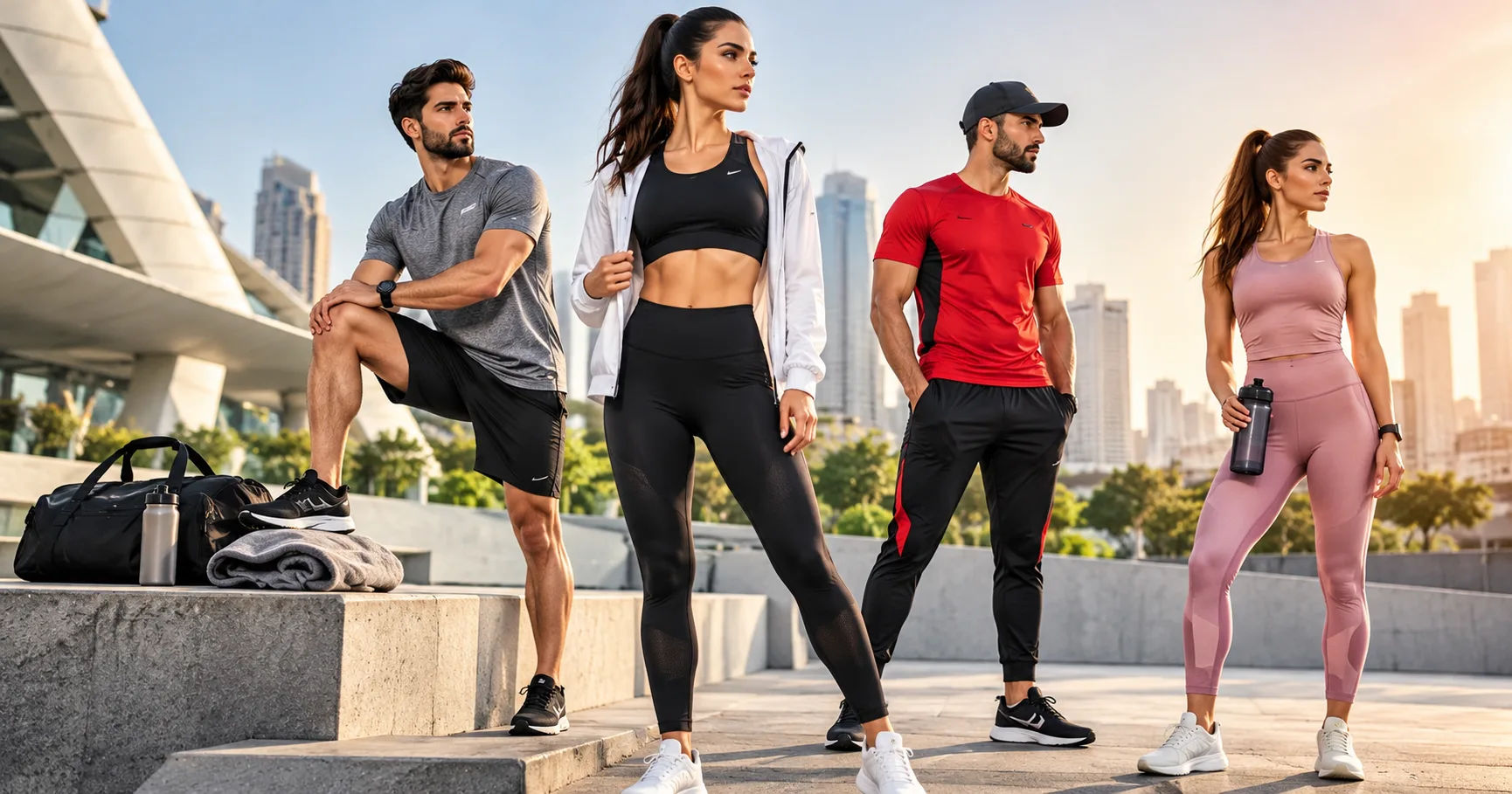
The world of Sports Wears has grown significantly as people have become more interested in fitness, healthy living, and active lifestyles. These clothes are designed to support movement, manage sweat, and provide comfort during exercise. They are also popular for everyday use because they combine practical features with modern fashion.
From lightweight T-shirts and flexible leggings to specialised sports uniforms and protective outerwear, there are many options to explore. Understanding the different types can help you choose suitable clothing for your favourite activities without spending money on items you do not need.
Athletic T-Shirts and Sports Top
Athleti T-shirts and sports tops are among the most common types of sports clothing. They are suitable for beginners, professional athletes, and people who simply enjoy staying active.
Unlike ordinary cotton shirts, many performance tops use lightweight fabrics designed to manage moisture and dry quickly. These features help you remain comfortable during workouts and other physical activities.
Performance T-Shirts
Performance Sports Wears bjj gi are designed for activities such as running, gym training, cycling, and team sports. They often use polyester, nylon, or blended fabrics that move sweat away from the skin.
Their lightweight construction helps reduce discomfort during intense exercise. Some designs also include mesh panels to improve airflow.
You can find performance T-shirts in fitted, regular, and relaxed styles. The best option depends on your preferred level of movement and the type of exercise you perform.
Sleeveless Sports Tops
Sleeveless tops are popular for weightlifting, indoor workouts, and warm-weather training. They allow greater freedom around the shoulders and arms, making them practical for exercises that involve lifting or stretching.
They are also useful for outdoor activities when temperatures are high.
Long-Sleeve Sports Shirts
Long-sleeve athletic shirts provide additional coverage without necessarily adding much weight. They are useful for outdoor running, cycling, and training in cooler conditions.
Some designs include UV protection, while others offer thermal properties for cold weather. Always check the product specifications because these features are not available in every shirt.
2. Sports Shorts and Training Bottoms
Sports shorts are a practical choice fr many activities because they provide ventilation and freedom of movement. They are commonly worn for running, basketball, football, gym workouts, and general fitness training.
The design of the shorts often depends on the activity for which they are intended.
Running Shorts
Running shorts are usually lightweight and designed to reduce friction during repeated movement. Some include built-in liners, elastic waistbands, and small pockets for keys or other essentials.
Shorter styles can provide greater freedom for fast running, while longer options offer more coverage.
When choosing running shorts, look for comfortable seams, a secure waistband, and fabric that dries quickly.
Training Shorts
Training shorts are designed for a wide range of gym exercises. They often use stretchable materials that allow you to squat, lunge, stretch, and lift weights comfortably.
Some styles are loose and relaxed, while others have a more fitted shape.
Choose a length that suits your training routine and provides sufficient coverage during movement.
Compression Shorts
Compression shorts fit closely around the body. They are popular among runners, cyclists, weightlifters, and team-sport athletes.
Their snug fit can help reduce fabric movement and friction. However, compression clothing should feel supportive rather than painfully tight.
It is important to understand that compression garments do not automatically improve athletic performance. Their usefulness depends on the individual, the garment, and the activity.
3. Sports Leggings and Yoga Pants
Leggings and yoga pants have become popular choices for fitness enthusiasts because they combine flexibility with a close-fitting design.
They are suitable for yoga, Pilates, strength training, running, and other activities that require frequent bending and stretching.
Training Leggings
Training leggings are commonly made from polyester, nylon, and elastane blends. These materials provide stretch while helping the garment maintain its shape.
Many designs feature high waistbands, flat seams, and moisture-managing fabrics.
For gym workouts, look for leggings that remain comfortable during squats and lunges. A fabric that becomes transparent when stretched may not provide the coverage you need.
Yoga Pants
Yoga pants are designed to support stretching, balance, and controlled movement. They may have fitted or slightly relaxed legs, depending on the style.
Soft, flexible materials help reduce restrictions during poses. A comfortable waistband is particularly important because yoga often involves bending and twisting.
Some yoga pants are also suitable for casual wear, making them a versatile option for everyday wardrobes.
Men's Athletic Tights
Men's athletic tights are used for running, cycling, training, and sports that require flexible clothing.
They may be worn alone or beneath shorts, depending on personal preference and weather conditions.
For outdoor exercise, some tights also include reflective details or thermal fabrics.
4. Sports Tracksuits and Training Suits
Tracksuits usually consist of a jacket and matching trousers. They are useful for warm-ups, travelling to training sessions, outdoor exercise, and casual activities.
Modern tracksuits are available in lightweight, insulated, and water-resistant designs.
Lightweight Tracksuits
Lightweight tracksuits are suitable for mild weather and warm-up routines. They can help keep muscles comfortable before exercise and provide an easy layer to remove once your body warms up.
Breathable fabrics are particularly useful when you expect to move frequently.
Insulated Tracksuits
Insulated tracksuits provide extra warmth in cold conditions. They may include brushed linings, thicker fabrics, or layered construction.
These options are useful for outdoor training during winter, although the level of warmth varies by design.
Stylish Tracksuits for Everyday Wear
Tracksuits are also popular as casual clothing. Many feature coordinated colours, streamlined shapes, and practical pockets.
When selecting one, consider whether you need it primarily for exercise or everyday fashion. A performance-oriented design may offer better breathability, while a casual version may focus more on appearance.
5. Sports Jackets, Hoodies, and Sweatshirts
Outerwear is an important category of sports clothing, especially for people who exercise outdoors or train in changing weather.
Jackets, hoodies, and sweatshirts provide different levels of warmth and protection. The right choice depends on temperature, wind, rain, and activity intensity.
Running Jackets
Running jackets are often lightweight and designed to protect against wind or light rain. Some include ventilation openings, reflective details, and adjustable hoods.
A breathable jacket can be useful when the weather is cool but your workout is intense.
For rainy conditions, check whether the garment is water-resistant or waterproof. These terms describe different levels of protection.
Sports Hoodies
Sports hoodies provide warmth before and after exercise. They are popular for gym sessions, outdoor training, and casual use.
Lightweight versions can be worn during warm-ups, while thicker styles are more suitable for cold weather.
Choose a hoodie that allows free movement around the shoulders and does not feel excessively heavy.
Sweatshirts
Sports sweatshirts offer a simple way to add warmth without wearing a full jacket. They are often used during stretching, warm-ups, and relaxed training sessions.
Moisture management matters here, too. Thick cotton sweatshirts may become heavy when wet, so technical fabrics can be more comfortable during vigorous exercise.
6. Sports Bras and Supportive Athletic Clothing
Sports bras are designed to provide breast support during physical activity. They are available in different support levels, sizes, and styles to suit different bodies and exercise routines.
Choosing the correct fit can improve comfort and reduce unwanted movement during exercise.
Low-Support Sports Bras
Low-support bras are often suitable for activities such as gentle yoga, stretching, and walking.
They typically prioritise comfort and flexibility rather than maximum movement control.
Medium-Support Sports Bras
Medium-support designs are commonly used for strength training, cycling, and some forms of dance or fitness classes.
They balance comfort with additional support during moderate movement.
High-Support Sports Bras
High-support bras are designed for activities involving repeated impact, including running and jumping exercises.
A secure fit, comfortable straps, and suitable coverage are important considerations.
Support requirements vary from person to person. It is worth trying different designs to find one that feels secure without restricting breathing.
7. Sports Uniforms for Team Gam
Team sports often require specialised uniforms that help players move comfortably and identify their teams.
These outfits may include jerseys, shorts, socks, and other activity-specific garments.
Football and Soccer Kits
Football kits generally include a jersey, shorts, and long sports socks. They are usually made from lightweight fabrics that help manage moisture during running and quick changes of direction.
Goalkeepers may wear specially designed tops with extra padding around certain areas.
Some players also wear compression layers beneath their uniforms, depending on weather and personal preference.
Basketball Uniforms
Basketball uniforms usually feature sleeveless jerseys and loose-fitting shorts. This design supports movement during shooting, jumping, defending, and running.
Breathable materials are useful because basketball involves frequent bursts of intense activity.
Uniforms are often designed with team colours, player numbers, and names.
Cricket Uniforms
Cricket clothing varies according to the format of the game. Traditional longer-format cricket often uses white clothing, while limited-overs formats commonly feature coloured uniforms.
Players may also wear protective equipment such as pads, gloves, and helmets. These items are different from ordinary sports clothing because they are intended to reduce injury risk.
8. Sports Socks, Shoes, and Essential Accessories
A sports outfit is not complete without suitable footwear and accessories. These items can improve comfort and help you prepare for the demands of your chosen activity.
Athletic Socks
Sports socks are designed to reduce friction, manage moisture, and provide cushioning in important areas.
Running socks may include extra cushioning around the heel and toes. Football socks are generally longer to accommodate shin guards and support team uniforms.
Choose socks that fit properly and do not bunch up inside your shoes.
Sports Shoes
Different activities place different demands on the feet, so footwear should be selected carefully.
Running shoes are designed for repeated forward movement. Basketball shoes often provide features suited to court movement, while football boots are made for traction on particular playing surfaces.
Gym shoes may prioritise stability for lifting and general training.
Using activity-appropriate footwear can improve comfort and help you move more confidently.
Athletic Accessories
Common sports accessories include caps, headbands, wristbands, gloves, and lightweight bags.
Caps can help shade the face during outdoor exercise. Headbands and wristbands can absorb sweat, while training gloves may improve comfort during selected activities.
Accessories should serve a practical purpose rather than interfere with movement or safety.
9. Sports Wears for Different Weather Conditions
Weather plays a major role in choosing appropriate athletic clothing. An outfit that feels comfortable in a cool gym may not work well during a hot outdoor run.
Clothing for Hot Weather
In hot conditions, choose lightweight, breathable garments that help manage sweat. Performance T-shirts, running shorts, and thin athletic socks are useful options.
Light-coloured clothing may absorb less heat from sunlight than some darker alternatives, although fabric construction and fit also matter.
For outdoor exercise, consider sun protection, hydration, and the time of day.
Clothing for Cold Weather
Cold-weather exercise often requires several layers rather than one very thick garment.
A moisture-managing base layer can help keep sweat away from the skin. An insulating middle layer provides warmth, while an outer layer can protect against wind or rain.
Remove or adjust layers as your body temperature changes.
Clothing for Rainy Conditions
Water-resistant jackets and quick-drying trousers can be useful when exercising in light rain.
For prolonged wet weather, consider garments specifically designed for stronger water protection. Make sure the clothing remains breathable enough for your activity.
Reflective details are also valuable when rain or darkness reduces visibility.
10. How to Choose the Right Sports Wears
With so many designs available, selecting suitable clothing can seem difficult. A few simple considerations can make the process easier.
Consider Your Activity
Start by identifying the main activity you plan to perform. Running clothing needs to support repeated movement, while yoga clothing should allow comfortable stretching.
Team sports may require uniforms, and outdoor activities may demand weather-resistant layers.
Buying clothing for your actual routine is usually more useful than choosing an outfit based only on appearance.
Select Comfortable Fabrics
Polyester and nylon are common in performance clothing because they are lightweight and often dry relatively quickly.
Elastane adds stretch, while merino wool can provide warmth and moisture management in certain outdoor garments.
Cotton can be comfortable for casual use and low-intensity activities, but it tends to retain moisture. For intense workouts, a technical fabric may be more practical.
Focus on Fit
Clothing should allow you to move naturally without constantly adjusting it.
Tight clothing can be useful when stretch and support are needed, but it should never cause pain, numbness, or restricted movement.
Loose garments can improve airflow, although excessive fabric may interfere with some sports.
Check Durability and Maintenance
Look for strong seams, reliable stitching, and fabrics that suit frequent washing.
Follow the care instructions on the label to help preserve elasticity, colour, and moisture-managing properties.
If you exercise regularly, owning a few interchangeable outfits can make laundry and workout planning easier.
Balance Price and Quality
Expensive clothing is not always the best choice for every person. Beginners can often start with a few comfortable, versatile essentials.
As your activity level increases, you can invest in specialised garments that address particular needs, such as running in cold weather or playing a specific sport.
11. The Growing Role of Sports Fashion
Sports clothing has become part of everyday fashion, not just exercise routines. Many people wear athletic leggings, trainers, hoodies, and tracksuits while travelling, shopping, or relaxing.
This trend is often associated with athleisure, which combines athletic functionality with casual style.
Combining Comfort with Style
Modern designs are available in neutral colours, bold patterns, coordinated sets, and minimalist styles.
You can create a practical outfit by pairing a performance T-shirt with comfortable shorts or combining leggings with a lightweight jacket.
The most useful wardrobe is one that reflects your lifestyle while meeting your actual comfort and activity needs.
Sustainable Sports Clothing
Some brands now offer garments made with recycled polyester, responsibly sourced fibres, and production methods intended to reduce environmental impact.
However, sustainability claims vary between products. Checking material details and brand information can help you make more informed choices.
Buying durable clothing and using it for longer can also reduce the need for frequent replacements.
Conclusion
The variety of Sports Wears available today makes it easier for people to find clothing suited to their activities, fitness levels, and personal styles. From basic athletic T-shirts and shorts to specialist uniforms, compression garments, tracksuits, jackets, and supportive sports bras, each category serves a different purpose.
The best choice depends on how you exercise, the weather you face, and the level of comfort and support you need. Breathable tops and lightweight shorts are useful for hot-weather training, while layered outfits and protective outerwear are more suitable for cold or rainy conditions. Activity-specific footwear, socks, and accessories can also make a meaningful difference to your overall experience.
When shopping for Sports Wears, focus on fit, fabric, durability, and practical features before considering appearance alone. You do not need an expensive wardrobe to get started. A small collection of versatile, comfortable pieces can support many everyday activities.
As your fitness routine develops, you can add specialised clothing for running, team sports, strength training, or outdoor adventures. By choosing garments that suit your needs and caring for them properly, you can build a wardrobe that supports an active lifestyle while keeping comfort and personal style in balance.