Choosing the right bra during breastfeeding is important for comfort, convenience, and everyday movement. A nursing bra is designed to support changing breast sizes and make feeding easier without requiring a mother to remove her entire bra. However, many mothers wonder whether a nursing bra in Pakistan provides enough support for daily activities, especially when breasts feel heavier, more sensitive, or fuller during breastfeeding. 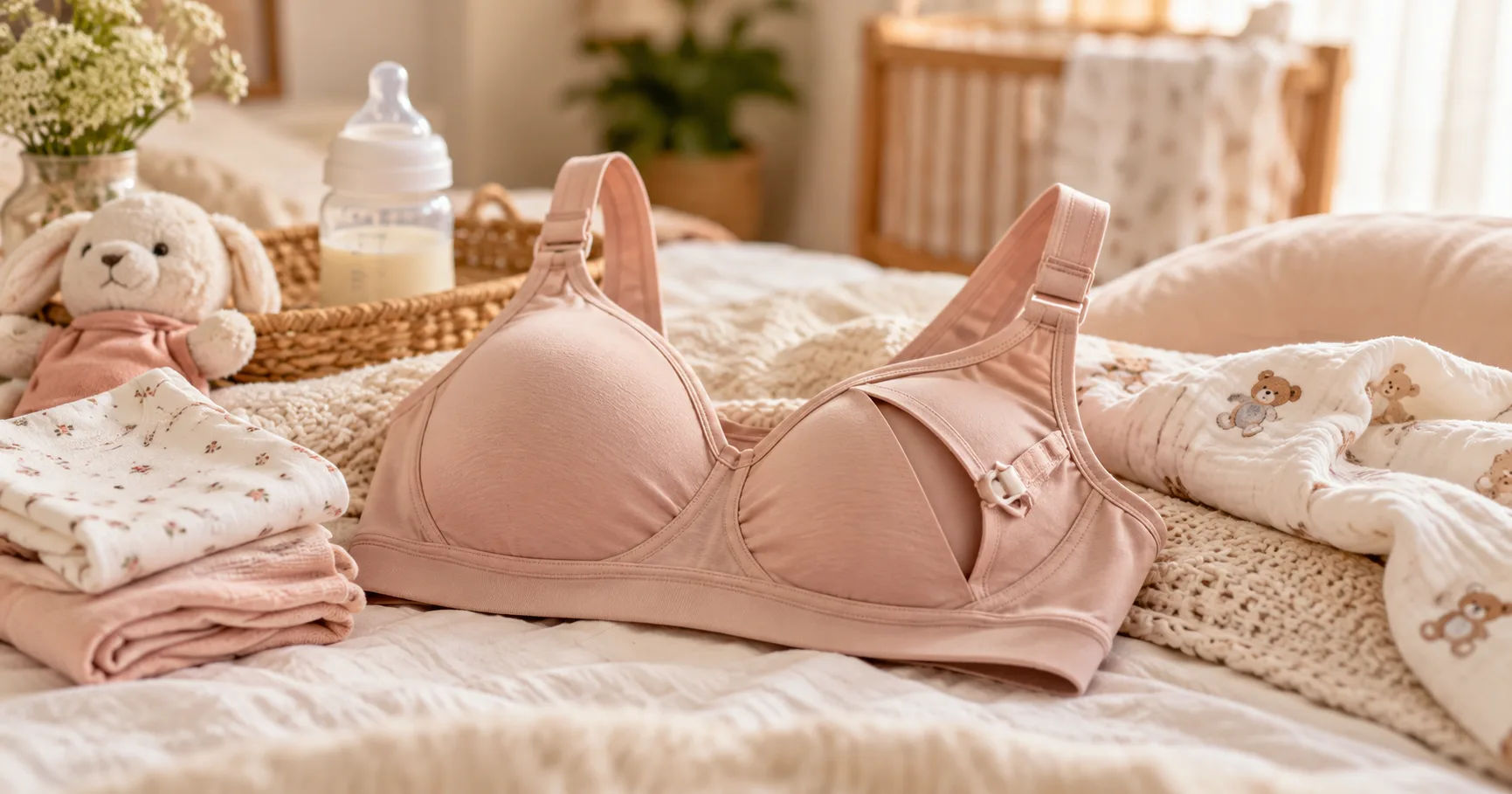 The answer is yes, a well-fitted nursing bra can provide sufficient support for most mothers. The level of support depends on its design, fabric, band size, cup construction, and overall fit. A bra that suits one mother may not work as well for another because breast shape, size, and feeding routines vary.
Understanding what makes a supportive nursing bra can help mothers choose suitable everyday underwear with confidence. From selecting the right size to recognizing useful features, there are several factors worth considering before purchasing one.
Why Support Matters During Breastfeeding
Breastfeeding brings physical changes that can affect how a bra feels throughout the day. Breasts may become fuller when milk production increases, and their size can fluctuate between feeding sessions. These changes make proper support especially important.
A supportive bra helps distribute breast weight comfortably and reduces unnecessary movement during walking, household activities, and caring for a baby.
Reducing Discomfort and Pressure
When breasts become heavier, an ordinary bra may feel restrictive or uncomfortable. Narrow straps, tight bands, and poorly shaped cups can create pressure around the shoulders, ribs, and breast tissue.
A well-designed nursing bra provides support through a secure band and appropriately sized cups. Wider straps can improve comfort by spreading pressure across the shoulders.
However, support should never come at the expense of comfort. A bra that feels painfully tight or leaves deep marks may be too small or poorly designed.
Supporting Everyday Activities
Mothers often spend long periods feeding, carrying, and settling their babies. They may also walk, work, travel, or complete household tasks throughout the day.
A supportive bra helps keep breast tissue comfortably contained during these activities. It can also make mothers feel more secure when moving around.
For ordinary daily activities, a comfortable nursing bra is usually sufficient. High-impact exercise may require a different design with stronger support.
Adapting to Changing Breast Sizes
Breast size can change during pregnancy, after delivery, and throughout the breastfeeding period. Some mothers experience noticeable fullness before feeding, followed by a softer feeling afterward.
A flexible bra can accommodate these changes more comfortably than one with rigid cups or restrictive seams.
Adjustable straps, multiple band settings, and stretchable fabric are particularly useful because they allow the bra to adapt as the body changes.
What Makes a Nursing Bra in Pakistan Supportive?
Not every nursing bra provides the same level of support. Some designs focus mainly on convenient feeding access, while others offer additional structure for fuller breasts or longer periods of wear.
When evaluating a nursing bra in Pakistan, look beyond appearance and consider how its construction supports your body.
A Strong and Comfortable Underband
The underband plays a major role in supporting the breasts. Ideally, it should fit securely around the rib cage without digging into the skin or moving upward when you raise your arms.
Much of a bra's support should come from the band rather than the shoulder straps. If the band is too loose, the straps may carry more weight than they should.
A band with adjustable hooks is helpful because it allows small changes in fit. During the early postpartum period, having more than one adjustment option can be particularly convenient.
Wide and Adjustable Shoulder Straps
Shoulder straps help stabilize the cups and maintain the bra's position. Wider straps may feel more comfortable for mothers with fuller breasts because they distribute pressure over a larger area.
Adjustability is equally important. Straps should remain in place without digging into the shoulders or slipping down repeatedly.
Extremely tight straps are not a good solution for inadequate support. If tightening them does not improve the fit, the band or cup size may need to be changed.
Full-Coverage Cups
Full-coverage cups can help contain breast tissue and reduce unwanted movement. They may be especially useful for mothers with larger breasts or those who prefer additional coverage while feeding.
The cups should fit smoothly without creating gaps, excessive compression, or breast tissue spilling over the edges.
Stretchable cups are often practical during breastfeeding because they can accommodate modest changes in fullness. However, stretch should not make the fabric so loose that it fails to provide meaningful support.
Breathable Fabric
Pakistan experiences warm weather in many regions, making fabric selection an important consideration.
Cotton blends, moisture-managing fabrics, and soft breathable materials can help improve comfort during hot days. A fabric that feels comfortable against sensitive skin may also make prolonged wear easier.
A breathable nursing bra should not feel rough, overly thick, or excessively tight. Soft seams and smooth inner surfaces can reduce friction, particularly when breasts are tender.
Types of Nursing Bras and Their Support Levels
Different nursing bra designs serve different purposes. Understanding their strengths can help you choose an option that matches your breast size, routine, and personal preferences.
Wireless Nursing Bras
Wireless bras do not contain rigid underwires beneath the cups. They often use flexible fabric, shaped cups, and supportive bands to provide comfort.
These designs are popular for everyday use because they allow natural movement and can feel gentle against sensitive breasts.
A wireless bra can provide sufficient support when its band, cups, and straps are well constructed. However, a very thin, loose design may not provide enough support for someone with fuller breasts.
Underwire Nursing Bras
Underwire nursing bras use structured wires beneath the cups to help shape and separate the breasts. Some mothers prefer them because they provide a more defined fit.
The wire must sit around the breast root rather than pressing into breast tissue. A poorly fitted underwire can cause discomfort and localized pressure.
During breastfeeding, breast size may fluctuate significantly. For this reason, a flexible, correctly fitted design is important. If an underwire causes pain or pressure, choose a different fit or a wireless alternative.
Sports-Style Nursing Bras
Sports-style nursing bras are useful for walking, gentle exercise, and activities involving more movement. They often feature wider straps, a broader band, and fabric designed to limit breast movement.
Some styles provide compression, while others use encapsulated cups to support each breast separately.
For exercise, select a bra that matches the intensity of the activity. A comfortable everyday nursing bra may not offer sufficient control for running or jumping.
Sleep Nursing Bras
Sleep nursing bras are generally soft, flexible, and easy to wear while resting. Many have pull-aside cups or simple feeding openings.
Their primary purpose is comfort and convenient access rather than strong support. Mothers who prefer gentle coverage at night may find them useful.
A sleep bra should not compress the breasts excessively or leave tight marks. It is not necessary for every breastfeeding mother to wear a bra during sleep.
How to Choose the Right Size
Correct sizing is one of the most important factors in determining whether a bra offers enough support. Even a well-made product can feel uncomfortable when the size is wrong.
Measure Your Underbust
Wrap a measuring tape around your rib cage, directly beneath your breasts. Keep the tape level and comfortably snug.
Record the measurement without pulling the tape tightly into your skin. Use the brand's sizing chart to identify the appropriate band size because sizing systems vary between manufacturers.
If possible, measure while wearing a lightly lined bra that does not compress your breasts.
Measure Your Bust
Measure around the fullest part of your breasts while standing naturally. Keep the tape level and avoid compressing the breast tissue.
Use both measurements to consult the manufacturer's chart. Cup sizing differs across brands, so do not assume that the size you wore before pregnancy will remain appropriate.
Check the Fit Before Buying
When trying a nursing bra in Pakistan, pay attention to how the band and cups feel when you move.
The band should remain level around your body. The cups should contain your breast tissue without cutting into it, and the straps should stay in place without excessive tightening.
If you purchase online, review the size chart, return policy, fabric information, and customer feedback before ordering.
Allow Room for Natural Fluctuations
Breasts can become fuller before feeding, so a nursing bra should accommodate normal changes without squeezing them.
Avoid buying a bra that is excessively large simply to allow for future changes. Too much extra space can reduce support and cause the cups to shift.
A flexible design with adjustable fastenings may be a more practical option than guessing a larger size.
Features That Make Breastfeeding Easier
Support is important, but convenience also matters. Nursing bras are designed to simplify feeding while helping mothers maintain comfortable coverage.
Easy-Open Nursing Clips
Many nursing bras feature clips that release the cup from the shoulder strap. This allows a mother to lower one cup when feeding her baby.
The clips should open and close easily with one hand. They should also remain securely fastened during ordinary movement.
Before purchasing, check whether the clip mechanism feels durable and whether the cup can be reattached without difficulty.
Stretch Panels
Stretch panels can accommodate changes in breast fullness and make the bra more adaptable.
They are particularly useful during the early months of breastfeeding, when milk production and breast size may fluctuate.
However, the fabric should recover its shape after stretching. If it becomes loose quickly, the bra may lose some of its support.
Smooth Seams and Soft Linings
Sensitive breast tissue can be uncomfortable when pressed against rough seams or stiff fabric.
Look for smooth stitching, soft linings, and edges that do not rub against the skin. These details can improve comfort during long feeding sessions.
If you experience irritation, check whether the bra's seams, detergent, or fabric are contributing to the problem.
Common Signs That Your Nursing Bra Does Not Provide Enough Support
Even an attractive, well-reviewed bra may not suit your body. Recognizing signs of poor fit can help you make a better choice.
The Band Rides Up
If the back of the band moves upward, the band may be too loose. The bra may then rely too heavily on the shoulder straps for support.
Try a more secure band size while ensuring that the cups still fit correctly.
The Straps Dig Into Your Shoulders
Persistent pressure from the straps can indicate that they are too tight or that the band is not providing enough support.
Adjust the straps first. If discomfort continues, reconsider the overall size and construction.
Breast Tissue Spills Out of the Cups
Spillage near the top, sides, or center of the cups often indicates that the cups are too small or the shape does not suit your breasts.
A larger cup or a different cup design may provide better coverage.
The Bra Feels Restrictive
A nursing bra should not cause pain, excessive compression, or persistent marks. A tight bra may also make breastfeeding less comfortable.
Choose a fit that feels secure but does not squeeze the breasts. If you notice a persistent painful lump, redness, fever, or flu-like symptoms, contact a healthcare professional, as these symptoms may indicate a breast problem that needs assessment.
Is a Nursing Bra Suitable for Larger Breasts?
Yes. A nursing bra can provide sufficient support for larger breasts, but construction becomes especially important as breast weight increases.
Look for a firm underband, adjustable wide straps, well-shaped cups, and a stable back design. Wider side panels may also help distribute breast tissue comfortably.
Full-coverage cups can provide greater containment, while supportive wireless styles may be suitable for everyday use.
Mothers with larger breasts should not assume that an underwire is essential. A well-constructed wireless bra can provide excellent everyday support, depending on its fit and design.
When shopping for a nursing bra in Pakistan, compare the available size range carefully. A product that offers multiple cup and band combinations may provide a more precise fit than one sold only in small, medium, and large sizes.
How Much Should You Spend on a Nursing Bra?
A higher price does not automatically guarantee better support. The quality of construction, sizing accuracy, fabric, and durability matter more than the price alone.
An affordable nursing bra can work well if it fits correctly and uses suitable materials. At the same time, a very inexpensive product may have weak clips, loose elastic, or straps that lose their shape after repeated washing.
Consider how often you plan to wear the bra. Mothers who breastfeed frequently may benefit from having several comfortable bras available so that one can be washed while another is being worn.
Compare the cost per wear rather than focusing only on the initial purchase price.
Caring for Your Nursing Bra
Proper care helps preserve elasticity, fabric softness, and the strength of nursing clips.
Wash According to the Care Label
Follow the manufacturer's washing instructions. A gentle cycle and mild detergent are often suitable for many nursing bras, although individual fabrics may require different care.
Use a laundry bag when appropriate to protect clips and delicate fabric. Avoid high heat if the care label warns against it, because heat can damage elastic fibers.
Avoid Overstretching
Fasten and unfasten nursing clips carefully. Pulling forcefully on the straps or cups may weaken the stitching.
Allow the bra to dry according to its care instructions. If machine drying causes shrinkage or elastic damage, air-drying may help extend its useful life.
Replace Worn-Out Bras
Over time, elastic loses its strength, straps stretch, and fabric may become less supportive.
If a bra no longer stays in place despite correct adjustment, consider replacing it. A worn-out bra may not provide the same support it offered when new.
Where Can You Buy a Nursing Bra in Pakistan?
Mothers can explore maternity stores, lingerie shops, and online retailers that sell breastfeeding essentials.
When comparing products, focus on practical details rather than relying entirely on photographs or promotional claims.
Check the available sizes, material composition, nursing clip design, washing instructions, delivery charges, and return or exchange conditions. Customer reviews can help identify recurring concerns about sizing, stitching, and durability.
If possible, choose a seller that provides clear measurements and a reliable exchange policy. This is particularly helpful when purchasing a bra during pregnancy or the early postpartum period, when sizing can change.
Before ordering a nursing bra in Pakistan, consider how you will use it. A soft wireless style may suit daily feeding and rest, while a more structured design may be preferable for working outside the home or spending long periods on your feet.
Having two or three suitable bras can also make laundry easier, although the number you need depends on your routine and budget.
Conclusion
A nursing bra can provide enough support for most breastfeeding mothers when it fits properly and is designed for their individual needs. Its effectiveness depends on the underband, cups, straps, fabric, and overall construction rather than its appearance or price alone.
The most important step is to select a size that accommodates natural breast changes without creating excessive pressure. A secure band, comfortable straps, supportive cups, and breathable materials can make daily activities more manageable while allowing convenient access for feeding.
Different mothers may prefer different styles. Wireless bras can offer comfortable everyday support, underwire designs may provide additional structure when correctly fitted, sports-style bras can help during exercise, and sleep bras can provide gentle coverage at night.
When choosing a nursing bra in Pakistan, pay attention to sizing charts, material quality, nursing clips, customer reviews, and exchange policies. Check the fit regularly because your body may change throughout pregnancy and breastfeeding.
Remember that support should never mean squeezing the breasts tightly. Pain, persistent pressure, and skin irritation are signs that the fit or design may need to change. If you experience ongoing breast pain or symptoms such as redness, fever, or a painful lump, seek medical advice rather than relying on a different bra alone.
Ultimately, the best nursing bra is one that supports your breasts comfortably, makes feeding easier, and fits your daily routine. By prioritizing fit, flexibility, and quality, you can choose a practical option that helps you feel comfortable and supported throughout your breastfeeding journey.