Teenagers today spend much of their free time exploring digital entertainment, connecting with friends, and playing interactive games. These activities can be enjoyable and educational, but they also raise important questions about safety, privacy, and healthy habits. Parents, teachers, and teenagers themselves often wonder whether digital games are suitable for young people and how potential risks can be managed. 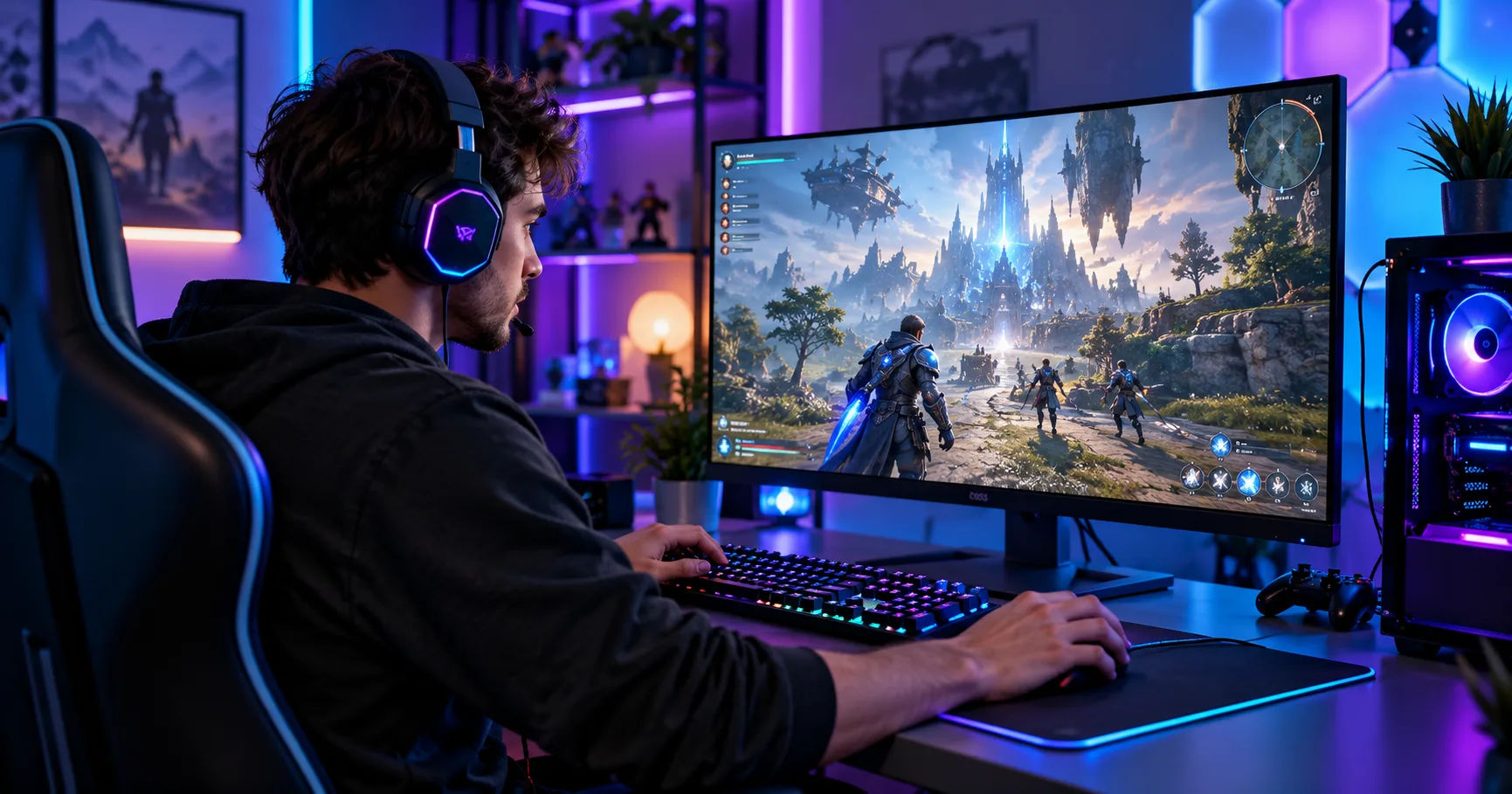 Online gaming has become a popular way for teenagers to relax, develop skills, compete with others, and build friendships. Many games encourage teamwork, creative thinking, and problem-solving. However, playing games over the internet can also expose teenagers to cyberbullying, inappropriate content, online scams, and excessive screen time. Understanding these benefits and risks helps families make informed decisions instead of treating every game as either completely safe or entirely harmful.
The good news is that teenagers can enjoy digital games more safely when they understand the risks, follow sensible rules, and receive appropriate guidance from adults. Safety depends on the type of game, the people a teenager interacts with, the amount of time spent playing, and the precautions taken to protect personal information.
Online Gaming and Teenagers
Online gaming Z555 Game refers to playing video games through an internet connection. Players can compete against opponents, cooperate with teammates, communicate through chat features, and participate in virtual communities.
Popular categories include multiplayer battle games, sports simulations, adventure games, strategy games, and creative building games. Some are designed for casual entertainment, while others involve competitive rankings, virtual purchases, and large communities of players.
For teenagers, these games can provide more than entertainment. They may offer opportunities to learn new skills, communicate with friends, and participate in shared activities. However, because players may interact with strangers, digital environments require the same kind of caution that teenagers use in everyday life.
Why Teenagers Enjoy Online Games
Teenagers often enjoy games because they offer challenges, rewards, competition, and opportunities to socialize. Completing a difficult level or winning a match can create a sense of achievement.
Multiplayer games also allow friends to spend time together when they cannot meet in person. Teenagers who enjoy strategy games may appreciate planning and teamwork, while creative games can encourage imagination and experimentation.
However, game designers sometimes use daily rewards, limited-time events, and ranking systems to encourage frequent participation. Teenagers should understand that these features are designed to maintain interest and do not mean they must play every day.
What Are the Benefits of Online Gaming for Teenagers?
When played responsibly, digital games can provide several benefits. The key is to choose suitable games and maintain a healthy balance with school, physical activity, sleep, and relationships.
Improved Problem-Solving Skills
Many games present challenges that require players to analyze situations, recognize patterns, and make decisions. Strategy games may involve managing resources, predicting opponents' moves, and planning several steps ahead.
Puzzle and adventure games can encourage logical thinking. Players often need to experiment with different approaches before finding a solution.
These skills may support learning in other areas, although improvement in a game does not automatically translate into better academic performance. Educational value depends on the activity and how a teenager engages with it.
Better Teamwork and Communication
Multiplayer games often require players to cooperate to achieve a shared objective. Teammates may need to assign roles, communicate quickly, and adjust their strategies when circumstances change.
These experiences can help teenagers practice listening, cooperation, and leadership. They may also learn how to handle disagreements and accept constructive feedback.
Nevertheless, not every gaming community encourages respectful communication. Teenagers should leave groups where harassment, threats, or humiliating behavior are common.
Social Connection and Friendship
Digital games can help teenagers stay connected with existing friends and meet people who share similar interests. For some young people, gaming communities provide a welcoming place to discuss hobbies and collaborate on projects.
Online friendships can be meaningful, but teenagers should remember that people may not always be who they claim to be. A friendly username or familiar voice does not prove someone's identity.
Healthy digital relationships respect privacy, personal boundaries, and the right to stop communicating at any time.
Creativity and Learning
Creative games allow players to design buildings, construct virtual worlds, solve engineering-style challenges, and experiment with different ideas.
Some games introduce historical events, scientific concepts, geography, or resource management. Others encourage players to create their own levels, stories, or modifications.
Parents can support these benefits by discussing what their teenagers are playing and encouraging them to explore games that match their interests.
What Are the Main Risks of Online Gaming?
Despite its benefits, online gaming can create problems when teenagers encounter unsafe people, unsuitable content, or unhealthy playing habits.
Understanding the main risks makes it easier to prevent problems before they become serious.
Cyberbullying and Toxic Behavior
Cyberbullying can occur through voice chat, text messages, team conversations, and gaming forums. Players may insult others, make discriminatory comments, spread rumors, or repeatedly target someone during matches.
Teenagers can feel especially upset when bullying occurs in a community they enjoy. Some may continue playing because they fear losing friends or being excluded from their team.
Parents should encourage teenagers to report abusive behavior, block offenders, and save relevant evidence when necessary. Teenagers should also understand that they do not have to tolerate harassment to remain part of a group.
If bullying continues or includes credible threats, a trusted adult or appropriate reporting authority should be involved.
Exposure to Strangers and Online Predators
Some multiplayer games allow teenagers to communicate with people they have never met. Most interactions may be ordinary, but a small number of users may attempt to manipulate younger players.
An unsafe person might ask personal questions, request private photographs, offer gifts, or encourage a teenager to move conversations to another platform. They may also ask the teenager to keep the relationship secret.
Teenagers should never share their home address, school name, daily routine, passwords, or live location with strangers. They should avoid private meetings with people they know only online.
If someone makes them uncomfortable, they should stop responding, block the account, and tell a trusted adult. A teenager who reports a concerning interaction should receive support rather than automatic punishment.
Inappropriate Content and Language
Some games include violence, strong language, sexual references, or frightening scenes. Others contain user-generated content and public chat that may not be suitable for younger players.
A game advertised as family-friendly may still include interactions with strangers or community-created material that parents have not reviewed.
Age ratings can help families choose appropriate titles, but they should not be treated as a complete guarantee of safety. Parents can review game descriptions, watch gameplay, and examine available communication settings before allowing access.
Teenagers should also learn to leave conversations or gaming spaces that contain disturbing material.
Scams, Fraud, and Financial Risks
Many games offer virtual currencies, character skins, additional levels, and other digital items. Some purchases are legitimate, but scammers may exploit players who want rare rewards or exclusive equipment.
Fake giveaways, unofficial currency sellers, suspicious links, and promises of free accounts can lead to stolen passwords or financial losses.
Teenagers should make purchases only through official platforms and obtain permission before spending money. They should never share payment information or account credentials with other players.
Parents can use spending limits, purchase approvals, and transaction notifications to reduce the risk of unexpected expenses.
Can Online Gaming Affect Teenagers' Mental Health?
The relationship between gaming and mental health is complex. Playing games does not automatically cause mental health problems, and many teenagers enjoy gaming without experiencing significant difficulties.
However, the way a person plays can matter. Excessive gaming, hostile interactions, constant competition, and neglected responsibilities may contribute to stress or emotional difficulties.
Stress, Frustration, and Competitive Pressure
Competitive games can create pressure to win, improve rankings, or avoid disappointing teammates. Repeated losses may lead to frustration, particularly when players feel that their performance determines their value within a group.
Some teenagers may become irritable after difficult matches or struggle to stop playing when they are upset.
Taking breaks, choosing less competitive games, and recognizing that losing is a normal part of play can help. Teenagers should also understand that their achievements in a game do not define their worth.
Social Comparison and Self-Esteem
Games with rankings, expensive cosmetic items, and highly skilled players can encourage constant comparison. Teenagers may feel inadequate when they cannot match another player's performance or afford the same virtual items.
Parents can help by discussing advertising, in-game status, and the difference between entertainment and personal value.
Encouraging hobbies outside gaming can also help teenagers develop confidence through different activities and achievements.
Recognizing Signs of Problematic Gaming
A teenager may be developing an unhealthy relationship with gaming if they regularly experience problems such as:
-
Losing sleep to continue playing.
-
Ignoring homework or missing important responsibilities.
-
Abandoning hobbies and social activities they previously enjoyed.
-
Becoming unusually distressed when unable to play.
-
Continuing to play despite clear harm to schoolwork, relationships, or well-being.
-
Repeatedly failing to reduce playing time despite wanting to do so.
One sign alone does not establish a disorder. The overall pattern, its duration, and its effects on daily life matter.
If gaming causes persistent distress or serious disruption, parents should discuss the issue calmly and consider seeking guidance from a qualified health professional.
How Much Gaming Is Safe for Teenagers?
There is no single number of hours that guarantees safe gaming for every teenager. Age, individual needs, school schedules, sleep requirements, physical activity, and family circumstances all matter.
A teenager who completes responsibilities and maintains healthy habits may manage gaming differently from someone who regularly sacrifices sleep or schoolwork to play.
Instead of focusing only on the clock, families should consider whether gaming is interfering with essential parts of life.
Create a Balanced Daily Schedule
A practical routine gives teenagers time for school, meals, exercise, hobbies, family interaction, and rest before gaming becomes the main activity.
Families can agree on a reasonable daily limit that fits their circumstances. For example, they might allow gaming after homework and other responsibilities are completed, with longer sessions reserved for weekends when appropriate.
The schedule should be realistic and consistent. Rules work better when teenagers understand their purpose and have some input into how they are applied.
Protect Sleep and Physical Health
Teenagers need sufficient sleep for concentration, emotional regulation, memory, and general development. Late-night gaming can interfere with sleep when it delays bedtime or keeps the mind stimulated.
A consistent bedtime and a device-free period before sleep can help protect rest. Gaming equipment should ideally be kept out of the bedroom overnight if it regularly encourages late sessions.
Long periods of sitting can also contribute to discomfort and reduce opportunities for movement. Teenagers should take regular breaks, stretch, look away from the screen, and participate in physical activities.
How Can Parents Make Online Gaming Safer?
Parents do not need to understand every game in detail to support their teenagers. Showing interest, setting clear expectations, and maintaining open communication can make a meaningful difference.
Choose Age-Appropriate Games
Before a teenager starts a new game, parents can review its age rating, content descriptions, multiplayer features, and purchase options.
They should also consider whether the game includes open voice chat, user-generated content, or contact with strangers.
Playing a game together can provide a useful opportunity to understand its environment. It also allows parents to discuss potential concerns without making the teenager feel that their interests are being dismissed.
Use Privacy and Parental Controls
Most major gaming platforms provide some combination of privacy settings, communication restrictions, account controls, and spending limits.
Families should consider the following precautions:
-
Set accounts to private where appropriate.
-
Restrict messages and voice chat to trusted friends when possible.
-
Disable unnecessary location-sharing features.
-
Require approval for purchases.
-
Use strong, unique passwords and enable two-factor authentication when available.
-
Review friend lists and account activity periodically.
These tools can reduce exposure to common risks, but they cannot prevent every harmful interaction. Regular conversations remain important.
Build Trust Through Open Communication
Teenagers are more likely to report problems when they believe adults will listen fairly. If parents respond to every mistake by immediately banning games, teenagers may hide uncomfortable experiences.
Instead, parents should explain the reasons behind safety rules and invite questions. They can discuss how to respond to bullying, suspicious messages, inappropriate requests, and unwanted contact.
When a serious problem occurs, safety should come first. Any restrictions should be proportionate to the situation and designed to prevent further harm.
Essential Online Safety Rules Every Teenager Should Follow
Teenagers can take several practical steps to protect themselves while enjoying digital games.
Keep Personal Information Private
Use a username that does not reveal your full name, birth date, school, or address. Avoid posting photographs that reveal identifiable details about your home or regular locations.
Never share passwords or verification codes with other players. Legitimate support staff should not need your password.
Think Before Clicking Links
Treat unexpected links, downloads, and offers with caution. A message promising free currency or rare items may be designed to steal account information.
Use official websites and platform stores. If an offer seems unusually generous or demands urgent action, verify it before proceeding.
Report and Block Unsafe Users
Use the reporting and blocking features provided by the game. Do not retaliate against abusive players or share their personal information publicly.
If someone threatens you, pressures you to share private material, or attempts to arrange a secret meeting, tell a trusted adult. If immediate danger exists, contact the appropriate local emergency or safeguarding service.
Maintain Healthy Boundaries
Do not let a game determine your entire daily routine. Finish important responsibilities, make time for friends and family, and take breaks when you become tired or frustrated.
Remember that you can leave a match, mute a conversation, or stop playing. Protecting your well-being is more important than satisfying strangers or preserving a virtual ranking.
How Teenagers Can Balance Gaming With School and Family Life
A healthy balance requires planning rather than relying entirely on willpower. Teenagers can make a weekly schedule that identifies school deadlines, extracurricular activities, family commitments, and free time.
Completing difficult tasks before playing can reduce stress and prevent gaming sessions from becoming a way to avoid responsibilities. Setting an alarm or using a built-in playtime reminder can also make stopping easier.
Families should recognize positive behavior, such as ending a session on time, following spending limits, and reporting suspicious activity. This encourages responsibility rather than treating gaming only as a source of conflict.
Teenagers should also maintain interests beyond screens. Sports, reading, music, art, volunteering, and in-person friendships provide variety and support different aspects of personal development.
When gaming fits comfortably alongside these activities, it is less likely to become the center of everyday life.
Conclusion
Is online gaming safe for teenagers? The answer depends on how games are chosen, how much time is spent playing, and how effectively risks are managed. Gaming can support problem-solving, creativity, teamwork, and social connection, but it can also expose teenagers to cyberbullying, inappropriate content, scams, privacy violations, and unhealthy habits.
The safest approach is not necessarily to prohibit every game. Instead, teenagers need practical knowledge, clear boundaries, suitable games, and adults who are willing to listen when problems arise. Parents can support them by checking age ratings, using privacy controls, setting reasonable spending limits, and protecting time for sleep, school, exercise, and family relationships.
Teenagers also have an important role in their own safety. They should protect personal information, question suspicious offers, block abusive users, and speak up when an interaction feels wrong. They should recognize that virtual achievements are only one part of life and that no game is worth sacrificing their health or personal safety.
Ultimately, online gaming can be a positive part of teenage life when entertainment is balanced with responsibility. With informed choices, healthy routines, and open communication, teenagers can enjoy the benefits of digital games while reducing their exposure to avoidable risks.