Mobile gaming has become one of the most popular forms of entertainment in the modern world. Millions of people use their smartphones every day to play games, relax after work, compete with friends, and enjoy exciting challenges. Unlike traditional gaming systems, mobile games do not require expensive equipment or a dedicated gaming room. Almost anyone with a smartphone can access a wide variety of games within seconds. This convenience has changed how people experience digital entertainment.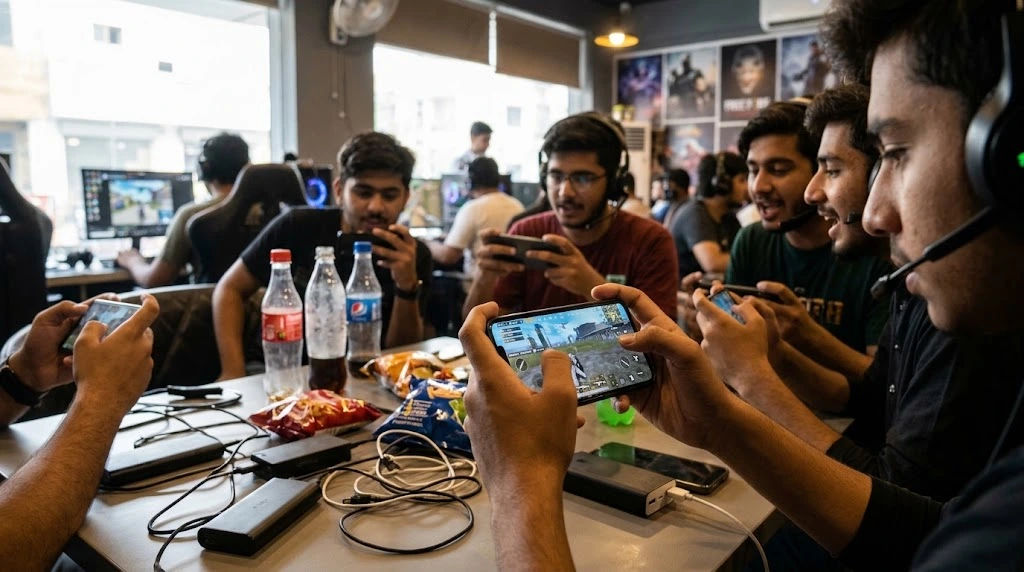
One major reason behind the growth of Mobile App Gaming is its ability to combine entertainment, accessibility, and social interaction in one place. Players can enjoy simple puzzle games during a short break or spend hours exploring detailed multiplayer adventures. The availability of different genres makes mobile games suitable for children, teenagers, and adults. As smartphones become more powerful and internet connections improve, mobile gaming continues to attract new audiences.
The popularity of mobile games is not simply a passing trend. It reflects changes in technology, lifestyle, entertainment preferences, and social habits. Game developers constantly introduce creative features that make their products more engaging. From competitive tournaments to relaxing casual games, mobile platforms offer experiences for almost every type of player.
Understanding why this form of entertainment has become so successful requires looking at its convenience, affordability, variety, technology, and social features. Each of these factors contributes to its growing influence on everyday life.
Easy Access to Entertainment
Accessibility is one of the strongest reasons mobile games have become so popular. Smartphones are widely used across the world, making gaming available to people who might not own a computer or gaming console.
Players can download games through digital application stores and begin playing within minutes. Many games are free to install, which removes the need for a large initial investment.
Gaming Anytime and Anywhere
Traditional gaming systems usually require players to remain in one location. A console needs a television or monitor, while computer gaming requires suitable hardware and a stable setup.
Smartphones remove many of these limitations. People can play games while travelling, waiting for appointments, relaxing at home, or taking a break at work.
This flexibility makes gaming easier to include in everyday routines. Even someone with only five minutes available can enjoy a quick puzzle or racing challenge.
No Need for Special Equipment
Another important advantage is that most mobile games work directly on smartphones. Players do not necessarily need separate controllers, gaming keyboards, or expensive accessories.
Although some advanced games support additional equipment, basic gameplay usually requires only a touchscreen.
This simplicity attracts beginners who want entertainment without learning complicated equipment or setting up a dedicated gaming environment.
Affordable Gaming Experiences
Cost plays an important role in the popularity of digital entertainment. Not everyone can afford expensive gaming consoles, high-performance computers, or newly released games.
Mobile platforms provide an affordable alternative by offering thousands of free and low-cost gaming options.
Free-to-Play Games
Many popular mobile games follow a free-to-play model. Players can download and enjoy the main experience without purchasing the game.
Some developers generate revenue through advertisements, optional purchases, or premium features. This business model allows people to explore games before deciding whether they want to spend money.
Free access is particularly attractive to casual players who do not want gaming to become an expensive hobby.
Affordable In-App Purchases
Some games offer additional characters, outfits, tools, levels, or other digital items through optional purchases.
These features allow players to customize their experiences according to their preferences and budgets.
However, it is important to understand that small purchases can accumulate over time. Players should establish spending limits and avoid buying digital items simply because a game encourages them to do so.
Games for Different Budgets
Not every enjoyable game requires expensive graphics or advanced technology. Simple puzzle games, word challenges, card games, and strategy experiences can provide hours of entertainment.
This variety makes mobile gaming accessible to people with different financial circumstances.
A Wide Variety of Game Genres
Another reason people enjoy mobile games is the enormous selection of available genres. Players have different interests, and developers create games to match those preferences.
Some people enjoy solving problems, while others prefer competition, exploration, creativity, or storytelling.
Action and Adventure Games
Action games attract players who enjoy excitement, fast reactions, and challenging situations. These games often involve battles, missions, obstacles, and time-based challenges.
Adventure games focus more on exploration, storytelling, and discovering new environments. Players may complete missions, interact with characters, and uncover different parts of a virtual world.
Both genres offer engaging experiences that can keep players interested for long periods.
Puzzle and Educational Games
Puzzle games are popular because they combine entertainment with problem-solving. Players may need to match objects, recognize patterns, solve riddles, or complete logical challenges.
Educational games introduce learning activities through interactive experiences. They can help users practise mathematics, spelling, vocabulary, memory, and general knowledge.
These games are especially useful for people who prefer learning through practical activities rather than traditional lessons.
Sports and Racing Games
Sports games allow fans to experience virtual versions of their favourite activities. Football, cricket, basketball, and tennis are common examples.
Racing games provide another exciting option. Players can control virtual vehicles, compete against opponents, and improve their driving performance.
These genres attract people who enjoy competition and familiar sporting experiences.
Strategy and Simulation Games
Strategy games require planning, decision-making, and resource management. Players may build cities, manage teams, protect territories, or develop complex plans.
Simulation games recreate real-world activities in virtual environments. Examples include farming, business management, construction, and life simulation.
These experiences appeal to players who enjoy creativity and long-term challenges.
Social Interaction and Multiplayer Features
Gaming has developed beyond individual entertainment. Many modern games include social features that allow people to connect with friends, family members, and other players worldwide.
These features make the experience more interactive and enjoyable.
Playing With Friends
Multiplayer options allow friends to participate in the same game, even when they are physically far apart.
They can work together, compete against one another, or complete shared missions.
For many players, these experiences provide an opportunity to spend time with people they know. A simple game can become a social activity that strengthens friendships.
Building Online Communities
Popular games often develop large communities where players exchange strategies, discuss updates, share achievements, and organize competitions.
These communities may exist through in-game chat systems, discussion groups, and social media platforms.
Players can learn from experienced members and discover new ways to enjoy their favourite games.
Friendly Competition
Leaderboards, rankings, and achievement systems encourage players to improve their performance.
Competing with friends can make simple activities more exciting. Players may try to achieve higher scores, complete difficult levels, or improve their rankings.
Healthy competition can increase motivation, provided players remember that entertainment should remain enjoyable.
Continuous Technological Improvements
Smartphone technology has improved significantly over the years. Modern devices offer faster processors, better displays, improved graphics, and longer battery life than many earlier models.
These improvements allow developers to create more advanced gaming experiences.
Better Graphics and Sound
Modern smartphones can display detailed environments, realistic lighting, smooth animations, and attractive visual effects.
High-quality sound effects and background music also make games more immersive.
Players can enjoy experiences that previously required more powerful gaming equipment.
Faster Internet Connections
Improved internet connectivity has made online multiplayer experiences more accessible.
Players can participate in real-time matches, communicate with teammates, and download updates more efficiently.
Reliable connections are particularly important for competitive games where delays can affect performance.
Cloud Gaming Opportunities
Cloud gaming is another technological development influencing the industry. It allows supported games to run on remote servers while the player's device receives the streamed experience.
This approach can reduce the need for powerful local hardware.
However, cloud gaming depends heavily on internet quality, service availability, and subscription costs. It is not equally suitable for every player or location.
Short Gaming Sessions Fit Modern Lifestyles
People today often have busy schedules involving education, work, family responsibilities, and personal activities. Long gaming sessions are not always practical.
Mobile games provide entertainment that can fit into shorter periods.
Quick Games During Breaks
Many games are designed around short levels or matches. Players can complete a challenge in a few minutes without committing to a lengthy session.
This makes casual games attractive to people who want something enjoyable during a lunch break or while travelling.
Flexible Playing Time
Most mobile games allow players to stop and continue later. Some experiences automatically save progress, while others provide checkpoints or shorter missions.
This flexibility helps players enjoy entertainment without organizing their entire schedules around gaming.
Entertainment During Travel
Travelling often involves waiting at airports, railway stations, or other public places.
Mobile games can make these periods more enjoyable, especially when players have access to offline gaming options.
Downloading suitable games before travelling can also help people stay entertained when internet access is limited.
Regular Updates Keep Players Interested
Game developers understand that players want fresh experiences. Regular updates help maintain interest by introducing new content and improving existing features.
This approach gives players reasons to return.
New Levels and Challenges
Developers frequently introduce additional stages, missions, and activities.
New challenges encourage players to continue exploring rather than completing the same content repeatedly.
Some games also offer seasonal events that introduce limited-time activities and special rewards.
Improved Gameplay
Updates can fix technical problems, improve controls, balance competitive features, and introduce quality-of-life improvements.
These changes can make the overall experience smoother and more enjoyable.
Community Feedback
Developers sometimes use player feedback to decide which improvements should receive attention.
Suggestions about game balance, difficult levels, technical problems, and new features can influence future development.
When players feel that their opinions matter, they may develop stronger connections with a game.
Personalization Makes Gaming More Enjoyable
Personalization is another important factor contributing to the popularity of smartphone games. Players appreciate experiences that allow them to express their interests and preferences.
Developers include different customization options to make games feel more personal.
Custom Characters and Avatars
Many games allow users to create characters with different appearances, clothing, hairstyles, and accessories.
These options provide creative freedom and help players develop a recognizable identity within the game.
Adjustable Difficulty
Some games offer different difficulty settings so beginners and experienced players can enjoy the same experience.
Adjustable controls, tutorials, and accessibility features also make gaming more comfortable for different users.
Personalized Recommendations
Digital application stores and gaming platforms may recommend games based on previous downloads, interests, and activity.
These recommendations help players discover experiences that match their preferences.
However, users should remember that recommendations are not always accurate and should consider privacy settings when sharing personal information.
Competitive Gaming and Esports Opportunities
Competitive gaming has become an important part of modern entertainment. Mobile games now support organized tournaments, online competitions, and professional gaming communities.
This development has helped attract players who enjoy improving their skills and competing at higher levels.
Online Tournaments
Many competitive games organize events where participants compete for rankings, recognition, and prizes.
Some tournaments are casual community activities, while others involve professional players and organized teams.
These competitions create excitement and encourage players to practise regularly.
Professional Mobile Players
Some skilled players develop careers through competitive gaming, streaming, content creation, and sponsorship opportunities.
Professional players often spend significant time practising strategies, improving reaction speed, and studying opponents.
However, professional gaming is highly competitive, and only a small number of players achieve long-term success.
Watching Gaming Content
Streaming platforms and video-sharing websites allow audiences to watch gameplay, tutorials, reviews, and competitive matches.
Viewers can learn strategies from experienced players and discover games they might enjoy.
This connection between playing and watching has expanded the influence of mobile games beyond individual devices.
Mental Engagement and Skill Development
Gaming can provide mental stimulation when people choose suitable experiences and maintain healthy playing habits.
Different game types encourage different forms of thinking and problem-solving.
Improving Problem-Solving Abilities
Puzzle and strategy games require players to evaluate situations, identify patterns, and select appropriate actions.
These activities can encourage logical thinking and decision-making.
For example, a strategy game may require players to manage limited resources while planning several moves ahead.
Developing Hand-Eye Coordination
Many action and racing games involve responding to visual information through touchscreen controls.
Players must coordinate what they see with their finger movements.
Repeated practice may help develop coordination and reaction skills within the context of the game.
Encouraging Creativity
Building and simulation games provide opportunities to design environments, organize virtual spaces, and experiment with different ideas.
Creative freedom allows players to explore possibilities without the limitations of real-world materials or expenses.
It is important to remember that gaming does not automatically improve every mental ability. Benefits depend on the type of activity, the individual, and the amount of time spent playing.
The Influence of Smartphones and Digital Culture
Smartphones have become essential parts of everyday life. People use them for communication, education, shopping, entertainment, and professional activities.
Gaming naturally fits into this connected environment.
Easy Game Discovery
Application stores make it simple to explore different gaming categories. Users can read descriptions, examine ratings, and compare available features before downloading a game.
This discovery process reduces the effort required to find new entertainment.
Social Media Promotion
Social media platforms help developers introduce new games to larger audiences.
Players share screenshots, gameplay clips, achievements, and recommendations with their followers.
Popular gaming videos can quickly attract attention and encourage viewers to try the featured games.
Influencers and Gaming Creators
Gaming influencers often introduce new titles, demonstrate gameplay, and discuss useful strategies.
Their content can help audiences understand what a game offers before installing it.
However, players should remember that sponsored promotions may influence recommendations. Independent reviews and personal preferences are also worth considering.
Challenges Associated With Mobile Gaming
Although mobile games provide many benefits, their popularity also creates certain challenges. Understanding these concerns helps people enjoy gaming responsibly.
Excessive Screen Time
Spending too much time playing games can interfere with sleep, education, work, exercise, and family activities.
Players should establish reasonable limits and take regular breaks.
Maintaining a balanced routine makes entertainment healthier and more sustainable.
In-App Spending
Some games encourage players to purchase virtual items, additional lives, or premium features.
Frequent spending can become expensive, particularly when purchases are made without careful consideration.
Parents should use available spending controls for children's accounts, while adults should monitor their own gaming expenses.
Privacy and Online Safety
Multiplayer games may involve communication with strangers. Players should avoid sharing private information, passwords, addresses, or financial details.
It is also important to review application permissions and download games from trusted sources.
Parents can help younger players understand online safety and report inappropriate behaviour.
Battery and Device Performance
Advanced games can consume considerable battery power and use significant processing resources.
Some devices may become warm during extended gaming sessions.
Players should follow device manufacturers' recommendations, avoid blocking ventilation, and close unnecessary applications when appropriate.
The Future of Mobile App Gaming
The future of Mobile App Gaming pkr spin looks promising as technology continues to develop. Developers are exploring new ways to make games more interactive, accessible, and visually impressive.
Several emerging technologies may influence the next generation of gaming experiences.
Artificial Intelligence in Games
Artificial intelligence can help developers create more responsive characters, adaptive challenges, and personalized experiences.
For example, computer-controlled opponents may adjust their strategies according to player performance.
AI tools can also support game testing and help development teams identify technical problems.
Augmented Reality Experiences
Augmented reality combines digital elements with the real environment through supported smartphone cameras and sensors.
This technology allows developers to create experiences that encourage players to interact with their surroundings.
Location-based games are an example of how digital entertainment can connect with physical spaces.
More Advanced Multiplayer Experiences
Improvements in connectivity and smartphone hardware may support larger multiplayer environments and smoother online competitions.
Players may experience better communication tools, more detailed virtual environments, and improved matchmaking systems.
Greater Accessibility
Future games may include improved accessibility options for people with different physical and sensory needs.
Adjustable text sizes, alternative controls, clearer audio options, and customizable interfaces can help more people participate.
These developments may make gaming a more inclusive form of entertainment.
Conclusion
The popularity of mobile gaming comes from a combination of convenience, affordability, technology, variety, and social interaction. Smartphones have made entertainment available to millions of people without requiring expensive gaming equipment or complicated setups. Whether someone enjoys solving puzzles, competing in sports games, exploring virtual worlds, or playing with friends, there is an enormous selection of experiences to discover.
Mobile App Gaming has also changed how people interact with digital entertainment. Short gaming sessions fit easily into busy schedules, while multiplayer features allow friends and communities to connect across different locations. Regular updates, customization options, competitive events, and technological improvements give players additional reasons to remain interested.
Another important factor is the industry's ability to adapt to changing preferences. Developers continue to introduce new genres, improve graphics, explore artificial intelligence, and experiment with augmented reality. These developments are creating opportunities for more engaging and personalized experiences.
However, enjoying games responsibly is equally important. Players should manage their screen time, control spending, protect personal information, and maintain a healthy balance between entertainment and everyday responsibilities. Parents should also guide younger players toward age-appropriate games and safe online behaviour.
Ultimately, mobile gaming has become popular because it offers something that modern audiences value: accessible entertainment that can be enjoyed almost anywhere. Its combination of creativity, competition, convenience, and social connection makes it an important part of contemporary digital culture. As smartphones and gaming technologies continue to improve, this form of entertainment is likely to remain a major part of the global gaming industry for years to come.